
 MXN
 Spain & Europe · EUR
 United States · USD
Omega-3: The New Standard in Protecting the Heart and Brain
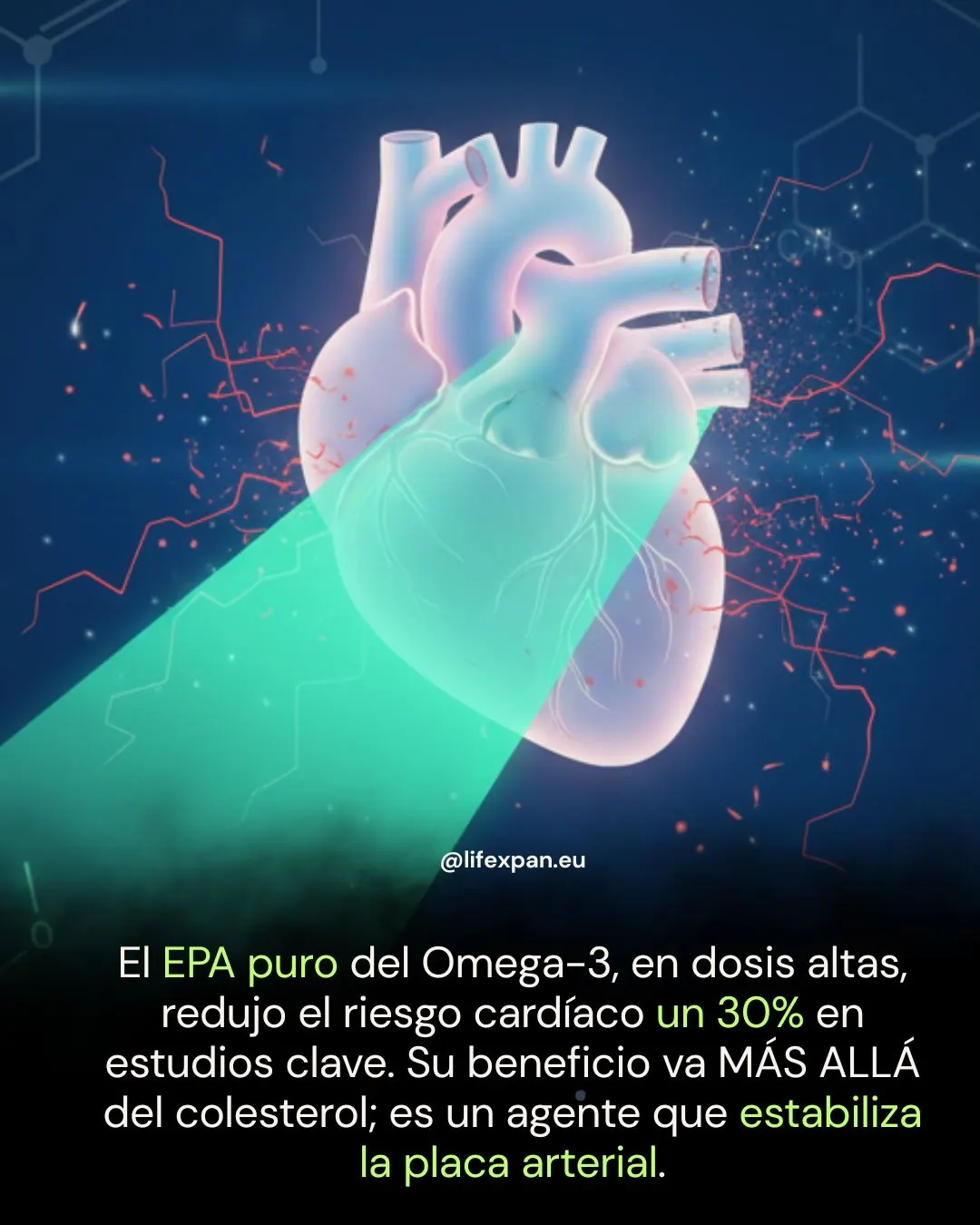
For a long time, Omega-3 fatty acids (EPA and DHA) were seen simply as a "good for you" supplement. However, science has made a huge leap forward: it has shown that Omega-3, at the right doses, acts as a precision medicine capable of transforming our cardiovascular and mental health. The bad news is that our Western diet falls well short of what we actually need. The body can barely produce these Omega-3s from plant sources, which makes direct supplementation absolutely essential to unlock its true benefits.
The Therapeutic Revolution: Pure EPA and Cardiovascular Risk
The most significant breakthrough in Omega-3 research comes from cardiology, particularly from a major clinical trial called REDUCE-IT. This study tested the efficacy of pure EPA (Eicosapentaenoic Acid, a type of marine Omega-3) at high doses, revealing a profound effect in patients with elevated cardiac risk, even those already managing their cholesterol with statins.
The results were compelling: administering 4 grams of purified EPA daily reduced heart attacks, strokes and death from cardiovascular causes by 30%. What really surprised doctors was that this benefit occurred regardless of whether cholesterol was already under control. This proves that EPA does far more than lower blood fats; it acts as a powerful agent that goes straight to the root of the problem: chronic inflammation and arterial instability.
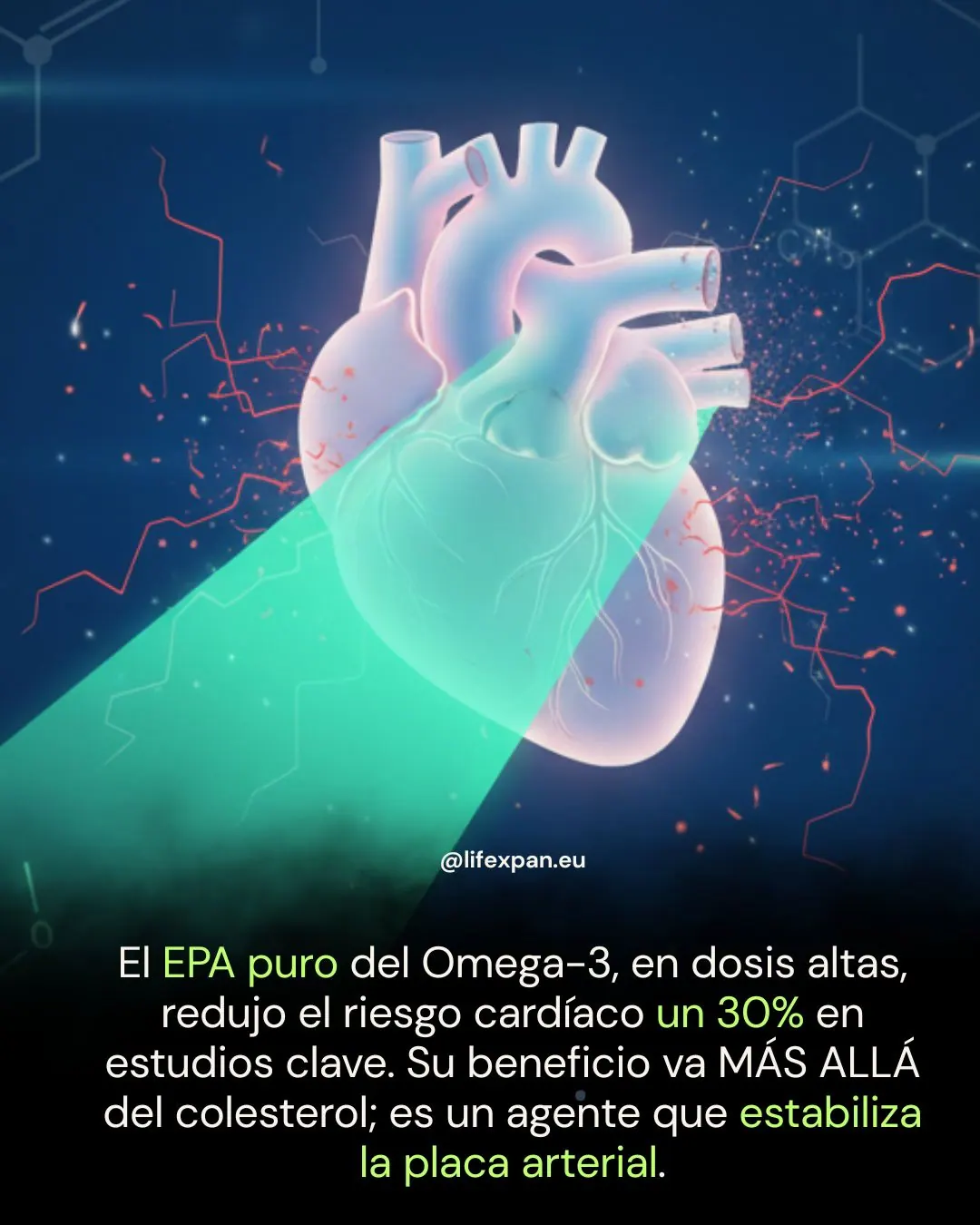
In fact, comparative analyses have uncovered a key difference between the two main types of Omega-3: pure EPA has consistently proven more effective at preventing sudden cardiac events (heart attacks) than formulations combining EPA and DHA. This suggests that while DHA is vital for other functions, it may reduce EPA's protective effect in the context of acute ischaemia. However, it's vital to bear in mind that therapy with such high doses of EPA requires clinical monitoring, as it has been associated with a slight increase in the risk of atrial fibrillation (AF) and bleeding.
The Molecular Secret: Switching Off and Resolving Chronic Inflammation
To understand how Omega-3 achieves this feat, we need to look at the molecular level. The mechanism behind its power is more sophisticated than a simple "anti-inflammatory" action. In the body, Omega-3 is converted into remarkable molecules called Specialised Pro-Resolving Mediators (SPMs). Rather than just suppressing inflammation, SPMs act as a clean-up crew that actively resolves inflammation, halting the damage, promoting the clearance of damaged cells and allowing tissue to repair itself. This "pro-resolving" capacity is the key to its effectiveness against chronic diseases, from cardiovascular conditions to neurodegenerative ones.
The Omega-3 Index (O3I): Your Real Level of Protection and Longevity
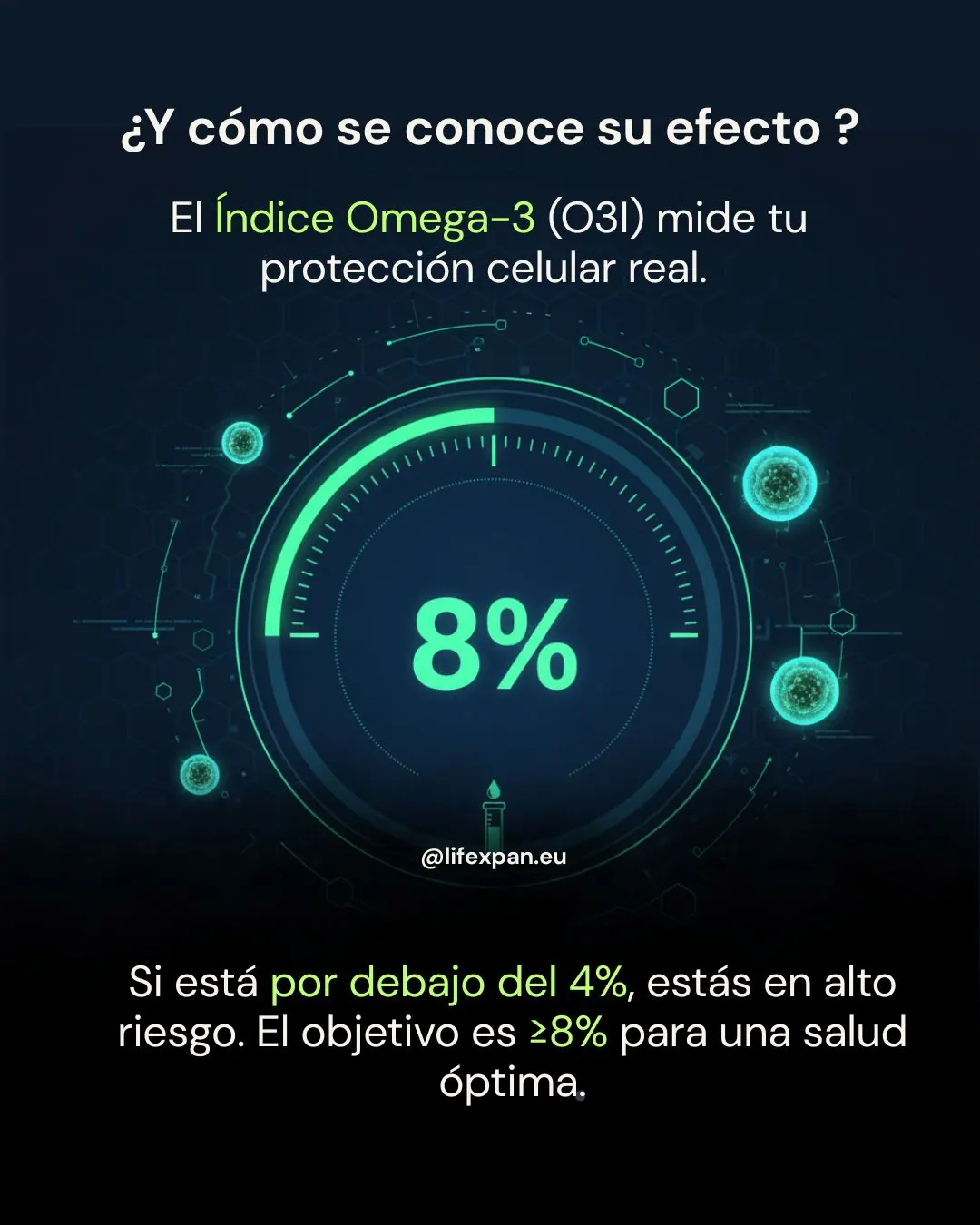
And this is where the factor that lets us measure our real protection comes in: the Omega-3 Index (O3I). Guessing your Omega-3 level is no longer necessary. Science has validated this blood test, which measures the percentage of EPA and DHA that has actually reached your cell membranes (in red blood cells) over the past four months. It doesn't just measure what you ate yesterday, but your stable level of protection.
The O3I has proven to be as important a risk predictor as cholesterol or blood pressure. An O3I below 4% is associated with a significantly higher risk of sudden cardiac death. On the other hand, reaching the optimal level of 8% or above reflects the resilience of your cells against damage and chronic stress, functioning as a biomarker of cellular longevity. Maintaining this level requires a sustained intake of 1,000 to 1,500 mg of EPA and DHA daily.
The Functional Difference in the Brain and Mind
Omega-3 is equally fundamental for mental health, but EPA and DHA have distinct roles. While DHA is vital for the structure and integrity of neuronal membranes (crucial for long-term neuroprotection and the prevention of diseases such as Alzheimer's), EPA appears to be the driving force behind functional action. Research into Major Depression has shown that symptom improvement is directly linked to EPA, especially in supplements where EPA makes up ≥60% of total Omega-3. EPA is the primary mediator that manages to switch off the neuroinflammation underlying depressive symptoms.
Practical Guide: Formulation and Dosage for the 8% Target
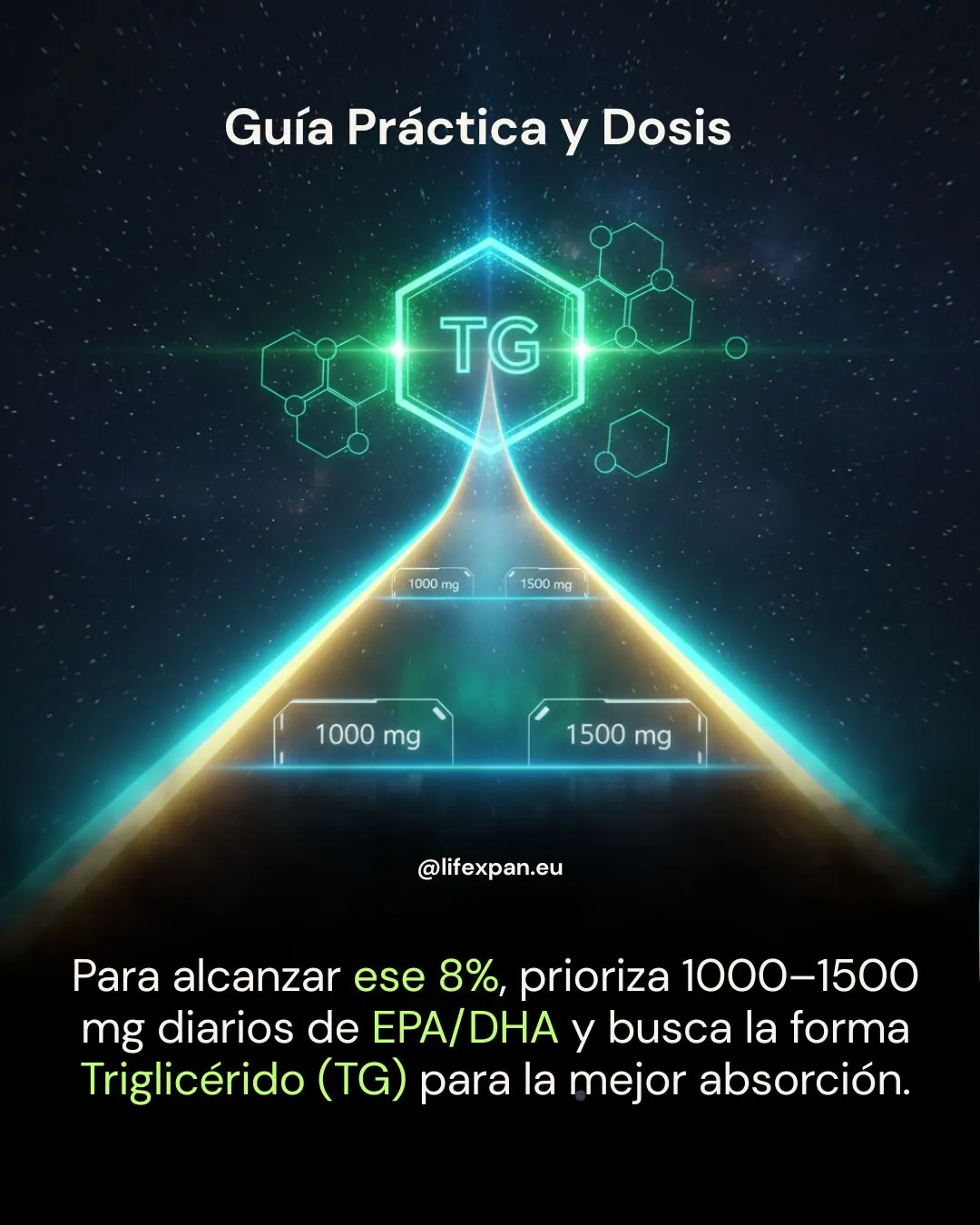
To put this science into practice, dosage and formulation quality are critical. First, forget about the percentage on the label and prioritise the total milligrams of EPA and DHA.
Secondly, pay attention to the chemical form: formulations in Triglyceride (TG) form, common in over-the-counter supplements, are absorbed 30% better than Ethyl Ester (EE) forms, making it easier to reach the 8% O3I target more efficiently. Finally, because Omega-3 oxidises easily, it's essential to look for high-quality products that include antioxidants to ensure the oil consumed is fresh and retains its effectiveness until it's absorbed. Dosage should be individualised, but generally ranges between 1,000 and 1,500 mg/day to reach the optimal level of protection.
Conclusion
The Omega-3 paradigm has changed radically: it's no longer just nutritional advice, but a biomarker of cellular health and longevity. Science tells us that most people benefit from sustained supplementary intake to make up for dietary shortfalls. By focusing on reaching the prognostic target of the Omega-3 Index (≥8%) with quality (Triglyceride) formulations and the right dose for our individual risk, we are investing directly in the active resolution of inflammation and safeguarding the integrity of our cells over the long term. Think of the O3I as your new risk factor: a simple test that measures your resistance to chronic disease and your potential to live a longer, healthier life.
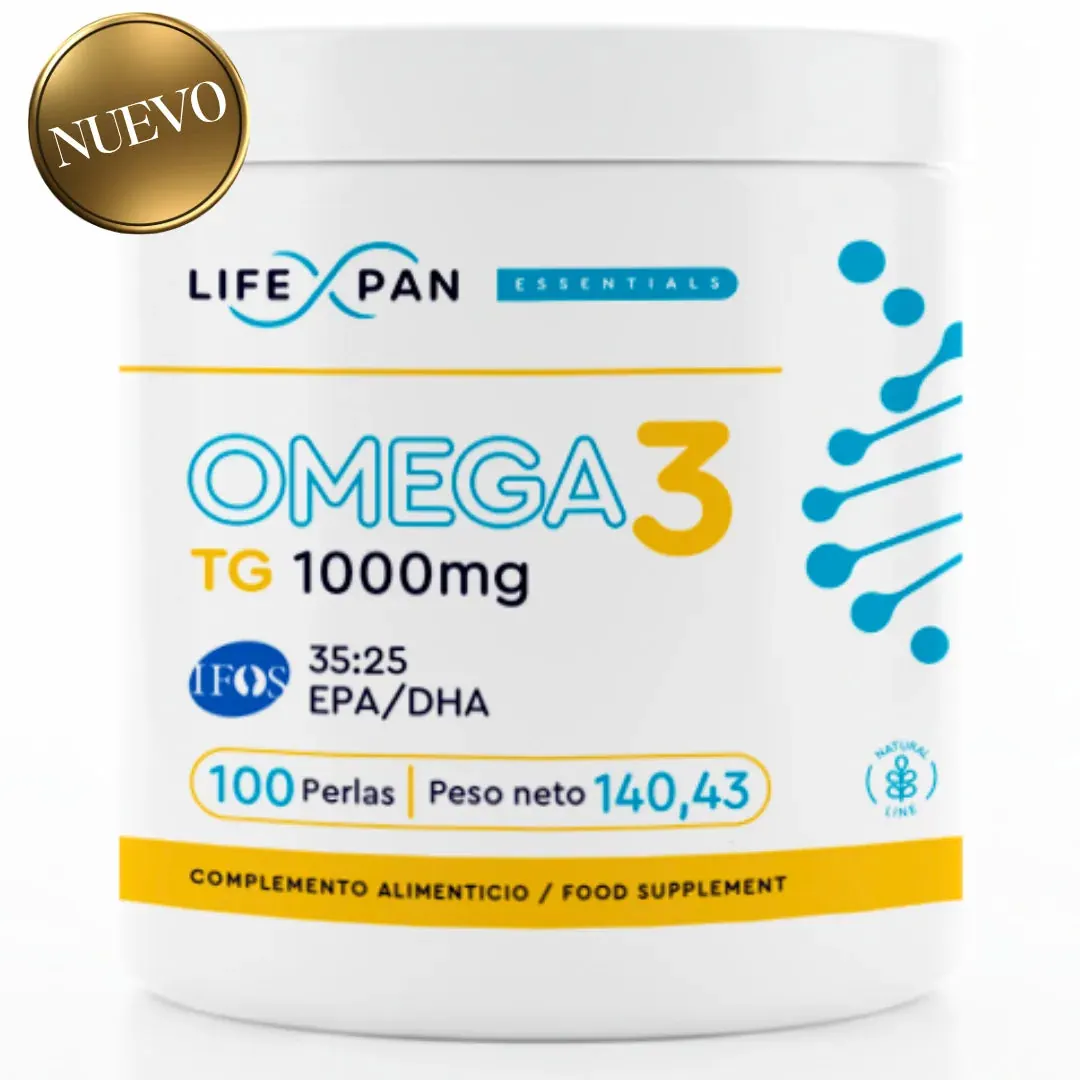
And if you decide to make Omega-3 part of your daily routine, here you'll find it in our online shop, from a batch we've just received, considered among the best in the world and currently on OFFER.
LifeXpan® Omega 3 Ultra Puro is a premium food supplement made with anchovy fish oil from Peru, concentrated and IFOS®-certified, guaranteeing maximum purity, freshness and the absence of heavy metals.
Designed to support heart, brain and joint health, each 1000 mg capsule delivers a powerful combination of EPA (35%) and DHA (25%) in their natural, highly bioavailable triglyceride (TG) form.
Enriched with natural Vitamin E (7.5 IU) to protect the fatty acids from oxidation and preserve their effectiveness.
Peruvian anchovy is sustainably fished, making it a high-quality source with significant nutritional and economic benefits.
Quality and benefits of Peruvian anchovy omega-3:
High EPA and DHA content: Peruvian anchovy is recognised as having one of the highest concentrations of omega-3 fatty acids (EPA and DHA) of any fish, according to IFFO.
Health benefits: These fatty acids are essential for cardiovascular health, helping to reduce cholesterol levels and blood pressure. They also support brain health and may help prevent cognitive decline, according to Infobae and the Peruvian government.
Sustainable fishing: Anchovy is caught in one of the cleanest and most sustainable marine areas on the planet, ensuring its quality and safeguarding the marine ecosystem.
Keep exploring the benefits of Omega-3 here:
Are you getting enough omega-3 fatty acid.
Omega-3 Fatty acids. Fact Sheet for Health Professionals.
Lipidomics: Revealing Biomarkers of the Omega-3 Index.
Effect of omega-3 fatty acids on cardiovascular outcomes: A systematic review and meta-analysis.
mindful eating anti-envejecimiento cellular anti-ageing health science food supplements EPA DHA healthy habits Omega-3 index chronic inflammation longevidad cellular longevity neuroprotection nutrition Omega-3 DNA repair cardiovascular risk cellular health metabolic health Health and wellbeing