
 MXN
 Spain & Europe · EUR
 United States · USD
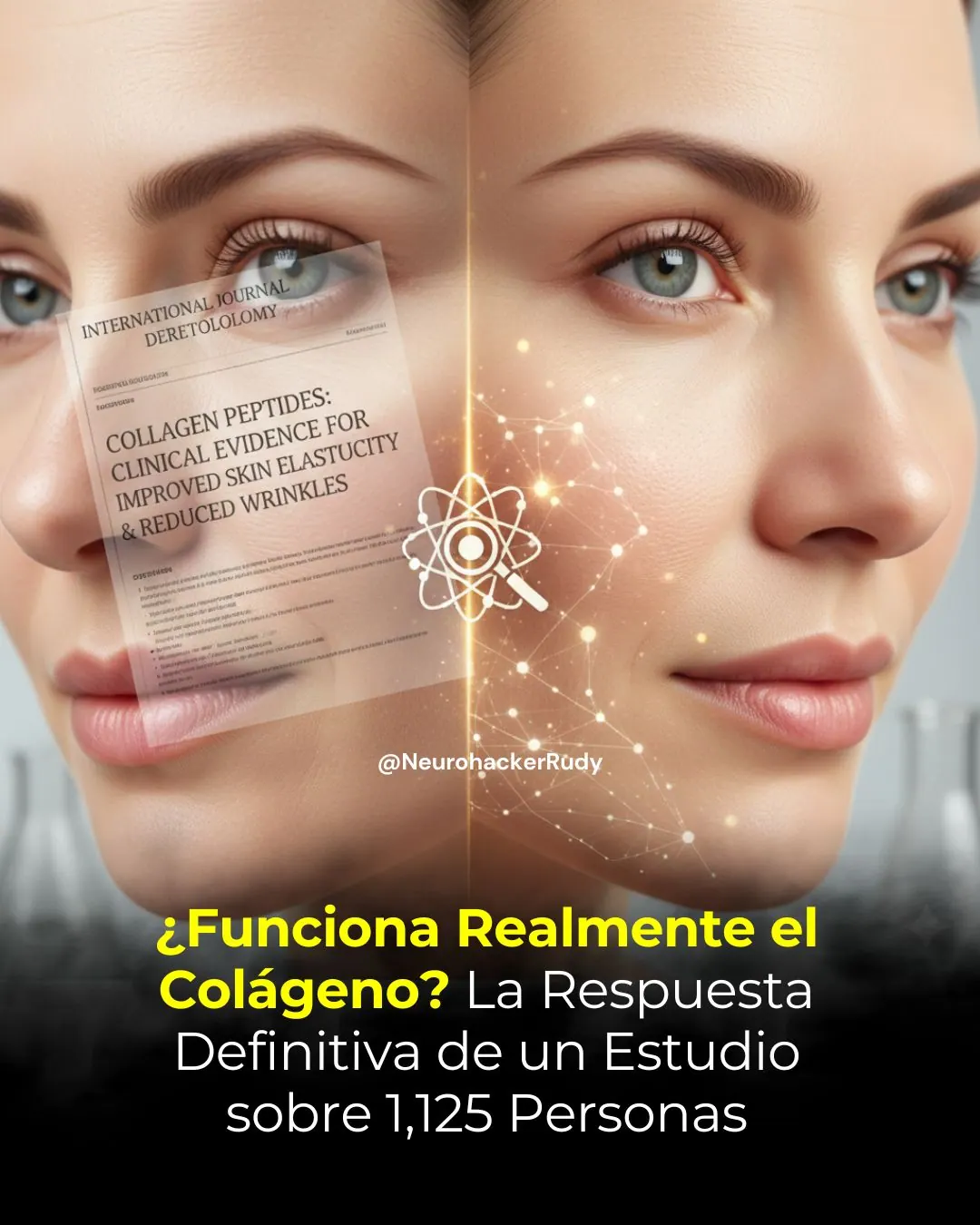
Does Collagen Really Work? The Definitive Answer from a Study of 1,125 People
This information is for informational purposes only. For medical advice or diagnosis, please consult a professional.
You see it everywhere: in smoothies, in powders, in capsules. Collagen has become the star supplement of the wellness and beauty world. The promises are appealing: firmer skin, fewer wrinkles, stronger hair and resilient nails. But beyond the marketing, what does the science actually say? Is it money well spent, or just an expensive placebo?
Today we're going to separate myth from reality and uncover the truth about collagen.

First, What Exactly Is Collagen?
Think of collagen as your body's scaffolding. It's the most abundant protein we have, and its main job is to provide structure, strength and elasticity to our tissues. It's the main building block of skin, bones, tendons, ligaments and cartilage.
The trouble is, as time goes by, our natural collagen production slows down. From around 25-30 years of age, the body starts making less of it, and of lower quality. Factors such as sun exposure, smoking or a diet high in sugar can speed up this process even further. The visible result is what we associate with ageing: loss of firmness, sagging skin and the appearance of wrinkles.
There are more than twenty types of collagen, but for skin health, the most important ones are:
- Type I Collagen: The most abundant type in the body, essential for skin, bones and tendons.
- Type III Collagen: Found alongside Type I, it's key to providing support and firmness to the skin, muscles and blood vessels.
The Debate: How Can a Supplement Work if the Body Breaks It Down?
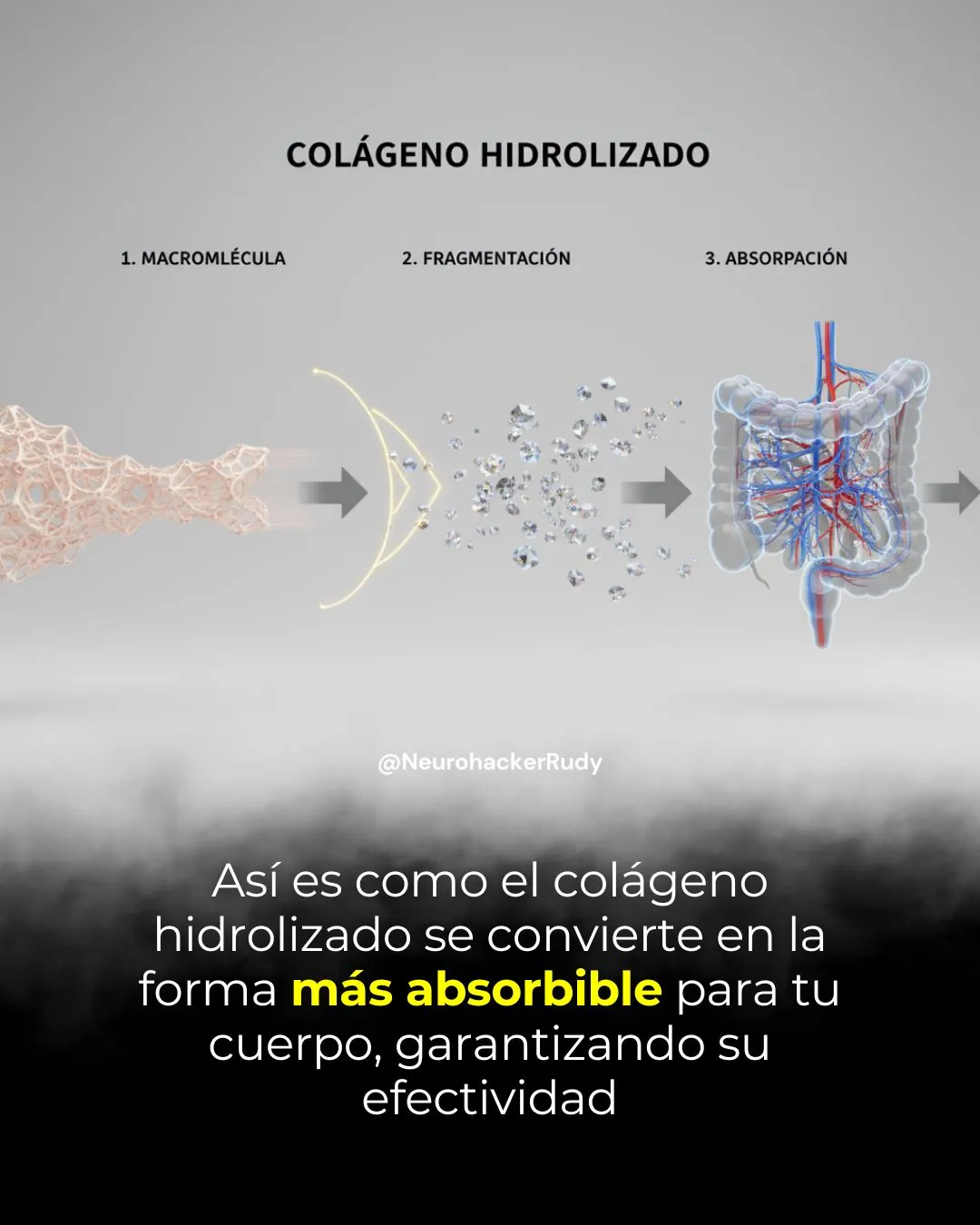
This is where the scepticism comes in, and rightly so. When you eat any protein, your digestive system breaks it down into its basic building blocks: amino acids. So how can the collagen you take actually reach your skin?
The key lies in the term "hydrolysed collagen". Quality supplements don't use whole collagen, but collagen that has undergone a process of hydrolysis. This process breaks the large protein chains down into much smaller fragments, called
collagen peptides.
These peptides are small enough to be easily absorbed in the gut and pass into the bloodstream. Science suggests these peptides work in two ways:
- They provide the "building blocks": Supplying the specific amino acids the body needs to make its own collagen.
- They act as "signals": Stimulating our cells (fibroblasts) to get to work and produce more collagen, elastin and hyaluronic acid.
What Does the Scientific Evidence Say?
While the debate continues, more and more studies are supporting the effectiveness of hydrolysed collagen supplements, particularly for the skin.
One of the most widely cited reviews, published in 2021, analysed 19 studies involving more than 1,100 participants. The conclusion was that people taking collagen supplements showed a significant improvement in skin hydration and elasticity, as well as a reduction in wrinkles. Other clinical studies have backed up these findings, showing benefits for joint health and in helping prevent cartilage degeneration.
While the evidence for hair and nails is less conclusive, it makes sense that strengthening the body's fundamental protein structure could have a positive impact on these too.
The Dynamic Duo: Why Your Collagen Needs Vitamin C
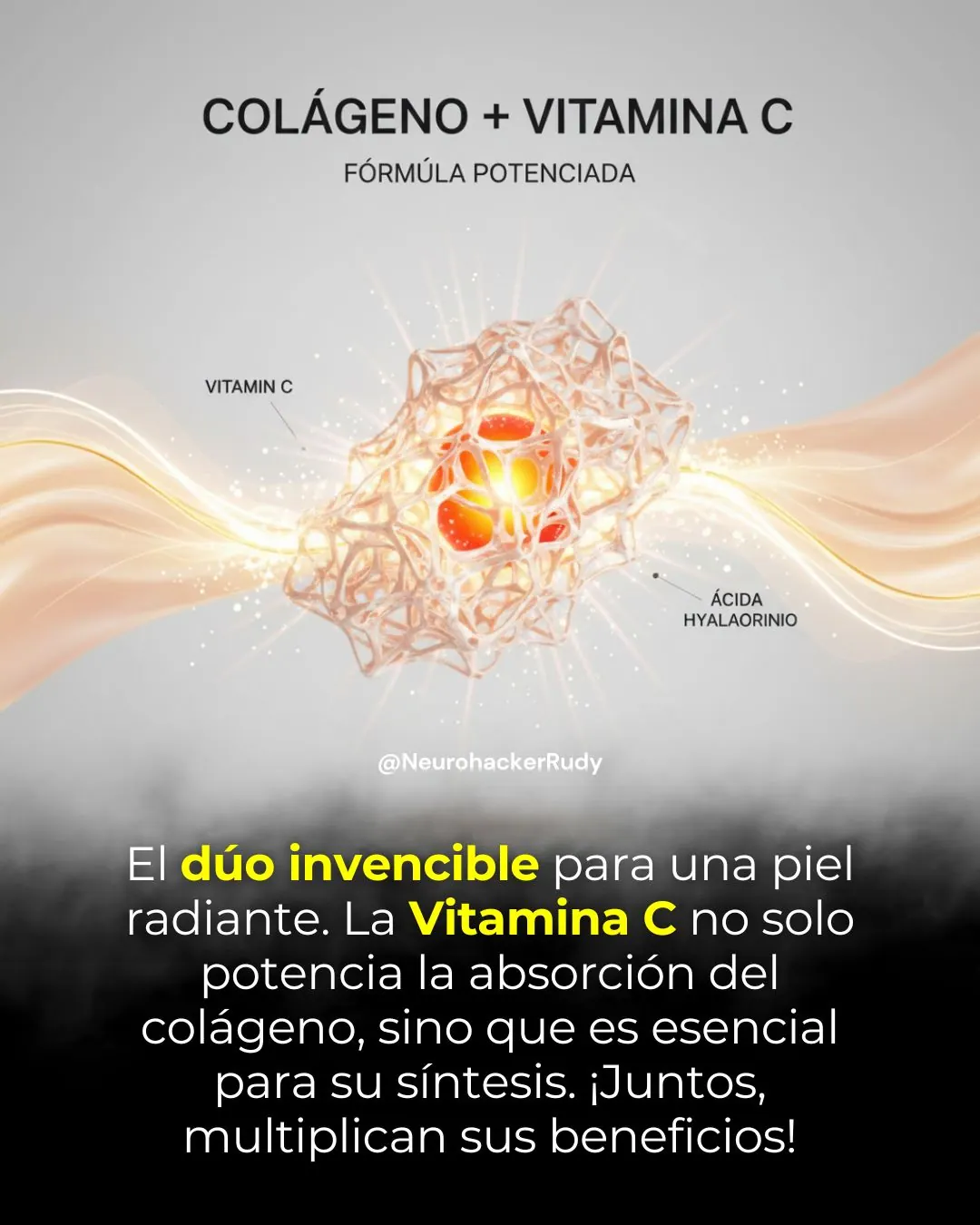
Taking collagen without enough Vitamin C is like having the bricks to build a house but no cement. Vitamin C is an absolutely essential cofactor in the process of collagen synthesis. It helps stabilise the collagen molecule and is necessary for the hydroxylation of the amino acids proline and lysine, a crucial step in the formation of collagen fibres.
Tip from lifexpan.eu: To ensure maximum effectiveness, always choose a supplement that combines collagen with Vitamin C. Our [Collagen + Vitamin C Product Name - link to lifexpan.eu] is formulated precisely to create this synergy and enhance results.
Quick Guide to Choosing a Good Collagen Supplement
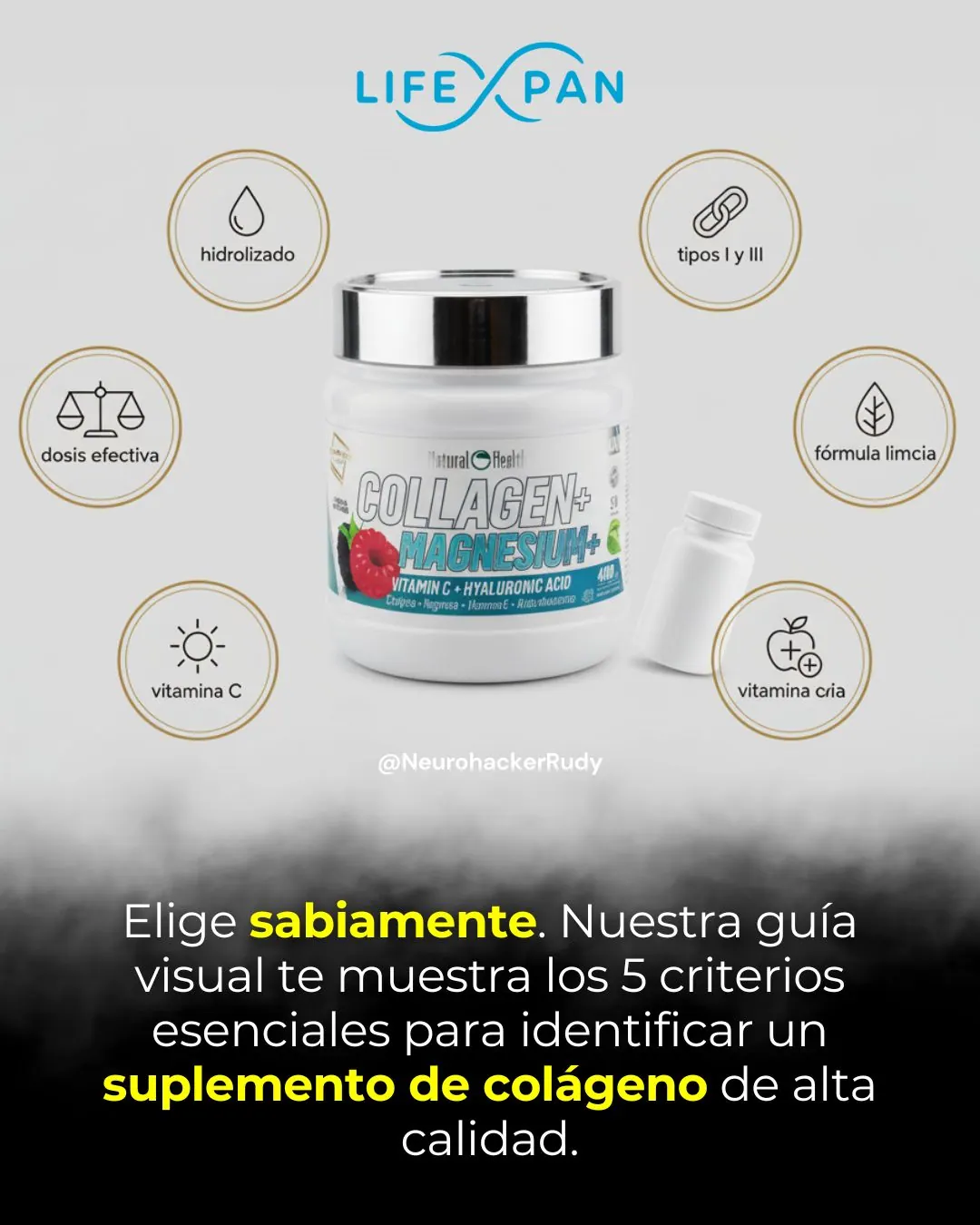
Not all collagen supplements are the same. To make a good investment, make sure your product meets these requirements:
- It should be hydrolysed: Look for "collagen peptides" or "hydrolysed collagen". It's the only form that guarantees good absorption.
- Type I and III for the skin: If your goal is beauty, make sure it mainly contains these two types.
- Effective dose: Science points to a daily dose of between 5 and 10 grams to see results. That's why powder or liquid formats are more practical than capsules.
- Boosted formula: Besides the indispensable Vitamin C, ingredients such as Hyaluronic Acid or Magnesium can offer additional benefits for hydration and overall health.
- Clean formula: Avoid products with added sugars. Sugar can trigger a process called glycation, which actually damages and weakens existing collagen fibres.
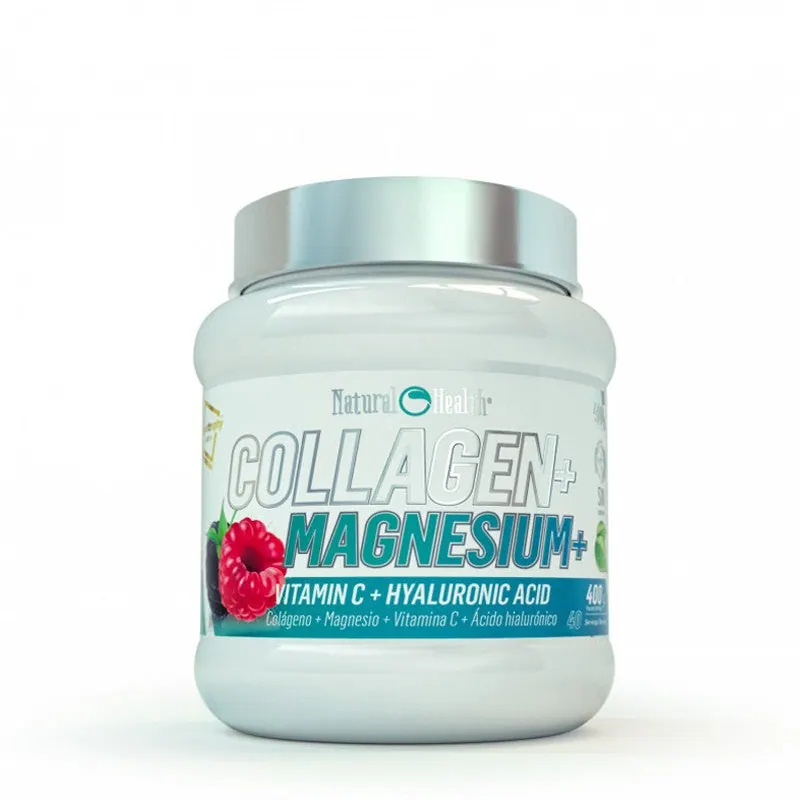
At lifexpan.eu we take quality very seriously. That's why our Collagen + Magnesium + Hyaluronic Acid + Vitamin C | Forest Fruits Flavour | 400 g meets all these criteria, offering you a complete, clean and effective formula.
Are There Any Side Effects?
Collagen supplements are generally very safe for most people. Side effects are rare and mild, and may include a feeling of heaviness or an unpleasant taste in the mouth.
The main precaution is for people with allergies, especially to fish or shellfish if they choose marine collagen. As with any supplement, if you're pregnant, breastfeeding or have any medical condition, it's advisable to consult your doctor before starting to take it.
The Final Word from Science: What's the Verdict?
Having broken down the science behind collagen, we return to the initial question: does it really work? And the answer, backed by the most rigorous research, is a resounding yes.
A recent and highly influential meta-analysis, published in the International Journal of Dermatology in 2021, brought together the results of 19 randomised controlled clinical trials involving more than 1,100 participants.[15] This type of study, by combining evidence from multiple high-quality investigations, offers one of the most reliable perspectives available.
The conclusion was clear: oral supplementation with hydrolysed collagen peptides for at least 90 days is associated with:
- A significant improvement in skin hydration.
- A notable increase in skin elasticity.
- A visible reduction in the appearance of wrinkles.
This means we're not just talking about anecdotes or isolated testimonials. Science has spoken, and the message is that hydrolysed collagen is an effective, well-founded strategy for supporting the health and appearance of your skin from within.
So, if you're looking for an evidence-backed way to nourish your skin and fight the signs of ageing, quality hydrolysed collagen should be on your radar.
Ready to give your skin the support it needs, backed by science?
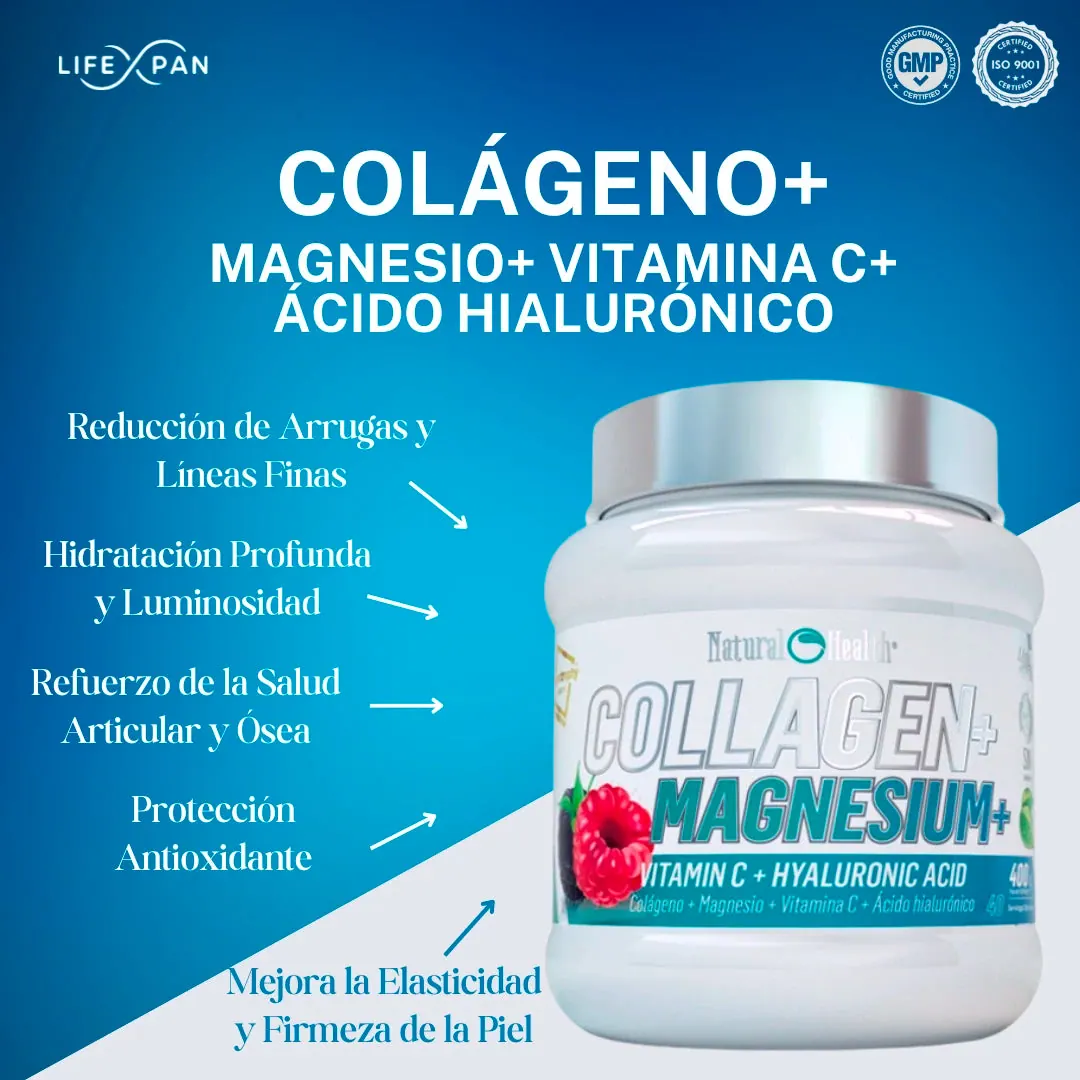
Get the best collagen from LifeXpan® and enjoy an incredible price on our pack of 3.
anti-envejecimiento arrugas ciencia collagen food supplements scientific research piel skin health premium supplements