
 MXN
 Spain & Europe · EUR
 United States · USD
Everything you need to know about magnesium bisglycinate

Magnesium is, without exaggeration, the conductor of our biology. Picture a factory with thousands of machines running at once; magnesium would be the electricity that lets every cog turn. It's involved in more than 800 chemical reactions in our body, from energy production to repairing our DNA. And yet, despite its importance, we live in an era of silent deficiency. Farming soils are depleted, and our processed diets have pushed this mineral off the table.
If you've ever suffered from nighttime cramps, fatigue that coffee just can't shift, unexplained anxiety or insomnia, chances are your body is sending out distress signals due to low magnesium. But here's the tricky part: you go to the pharmacy and find ten different types of magnesium. Which one should you choose? Current science points to magnesium bisglycinate as the gold-standard option. In this guide, we'll explain why this specific form really makes the difference and how it can transform your health.

A bit of history: the birth of better absorption
The story behind this supplement isn't about marketing, it's about biochemical engineering. For decades, magnesium supplements were "inorganic salts" (like magnesium oxide). The trouble was that these salts behaved like a marble trying to squeeze through a very fine net: most of it stayed outside and ended up causing stomach irritation or a laxative effect.
In the 1950s, Dr Harvey Ashmead revolutionised mineral nutrition by proposing chelation. His idea was to "disguise" magnesium by binding it to two molecules of an amino acid called glycine. The result was magnesium bisglycinate. This breakthrough allowed the mineral to survive the journey through the stomach and be absorbed via a different, far more efficient route, one that the body recognises as an organic nutrient rather than a simple metal.
How does it work in your body? The nutritional "Trojan Horse"
To understand why bisglycinate is superior, picture the gut as a border with different entry gates. Most minerals try to get in through the "ion gate", which is always congested and where they compete with calcium or iron. Magnesium bisglycinate, on the other hand, uses a peptide transport mechanism.
Because it's bound to glycine, magnesium slips in through a side gate reserved for proteins. It's a kind of nutritional "Trojan Horse": the body spots the glycine, lets it through quickly, and once inside, releases the magnesium exactly where it's needed most. This route is much faster and doesn't compete with other minerals, ensuring that what you pay for and consume actually ends up in your cells rather than down the toilet.
Problems that bisglycinate helps to solve
This mineral's impact is systemic, meaning it reaches nearly every corner of your body. Here are the main areas where magnesium bisglycinate offers real solutions:
1. The end of insomnia and anxiety
This is perhaps its most celebrated benefit. Bisglycinate combines magnesium with glycine, an amino acid that also acts as a calming neurotransmitter. Together, they help soothe the central nervous system, lower cortisol levels (the stress hormone) and prepare the brain for deep, restorative sleep. It doesn't work like a chemical sleeping pill that knocks you out, but rather improves the structure of your sleep so you wake up genuinely rested.
2. Muscle recovery and goodbye to cramps
If you play sport or suffer from restless legs, magnesium is your best ally. It helps muscles relax after contracting. Without enough magnesium, your muscles stay in a state of mild tension that leads to cramps, twinges and a much slower recovery after exercise.

3. The switch for Vitamin D and energy
Lots of people take Vitamin D but don't see results. The reason is that magnesium is the "switch" needed to activate Vitamin D in the liver and kidneys. Without it, vitamin D stays inactive in your blood. It's also essential for producing ATP, the energy currency of our cells. If you feel chronically tired, your cellular "batteries" may not have enough magnesium to work properly.
How long before I see the benefits?
Unlike a painkiller that works in 20 minutes, magnesium works cumulatively, refilling the stores in your tissues.
- Immediate effects (1 to 3 hours): Muscle relaxation and a slight sense of mental calm can be noticed from the first dose, especially if taken before bed.
- Short-term effects (1 to 2 weeks): Noticeable improvement in sleep quality, fewer cramps and greater mood stability.
- Long-term effects (1 to 3 months): Regulation of blood pressure, improved bone density and a full optimisation of energy levels and the immune system.
Practical guide: Dosage and ideal timing
Personalisation is key, but there are general guidelines backed by science to get the most out of it:
The best dose
For most adults, a dose of 200 to 400 mg of elemental magnesium a day is enough to cover deficiencies and see therapeutic benefits. It's important to read the label: make sure it refers to "elemental magnesium" and that the product carries quality certifications such as TRAACS™, which guarantees a true chelate rather than a cheap blend.
The ideal time
- For sleep and stress reduction: Take it at night, 30 to 60 minutes before bed. This makes the most of glycine's relaxing effect.
- For sporting performance: Take it after training to support muscle repair.
- For general metabolic support: You can split the dose: one part with breakfast and another with dinner. This keeps stable levels in the blood throughout the day.
Synergies: What to combine it with to boost it
Magnesium doesn't work alone. If you want to take your health to the next level, consider these combinations:
- With Vitamin D: It's essential. As mentioned, magnesium activates the vitamin.
- With Vitamin C: Magnesium helps vitamin C enter cells more effectively, boosting your immune system.
- With Nicotinamide Riboside (NR): If longevity is your goal, magnesium is the cofactor that allows NR to be converted into NAD+, the molecule of cellular youth.
Safety and contraindications
Magnesium bisglycinate is extremely safe and is the form that irritates the stomach the least. However, there are two important exceptions:
- Kidney failure: If your kidneys aren't working properly, they shouldn't process magnesium supplements without strict medical supervision, as excess magnesium could build up.
- Interactions: If you're taking antibiotics (tetracyclines or quinolones) or thyroid medication (levothyroxine), space out your magnesium dose by at least 3 hours, as it can reduce the absorption of these medicines.
Conclusion: Should you take it?
If you live in the modern world, get stressed, exercise or simply want to age with vitality, the answer is probably yes. Magnesium bisglycinate isn't an aggressive drug, but an essential nutrient we've lost along the way. By choosing the bisglycinate form, you ensure your body receives the mineral in the gentlest and most effective way possible. It's a small investment for a benefit that ranges from the depth of your sleep to the energy you wake up with every morning.
Sources used
Effects of Magnesium Forms on the Magnesium Balance and Jejunal Transporters in Healthy Rats
Why Does MOXiLIFE® Use Albion™ Minerals?
Study of Magnesium Formulations on Intestinal Cells to Influence Myometrium Cell Relaxation
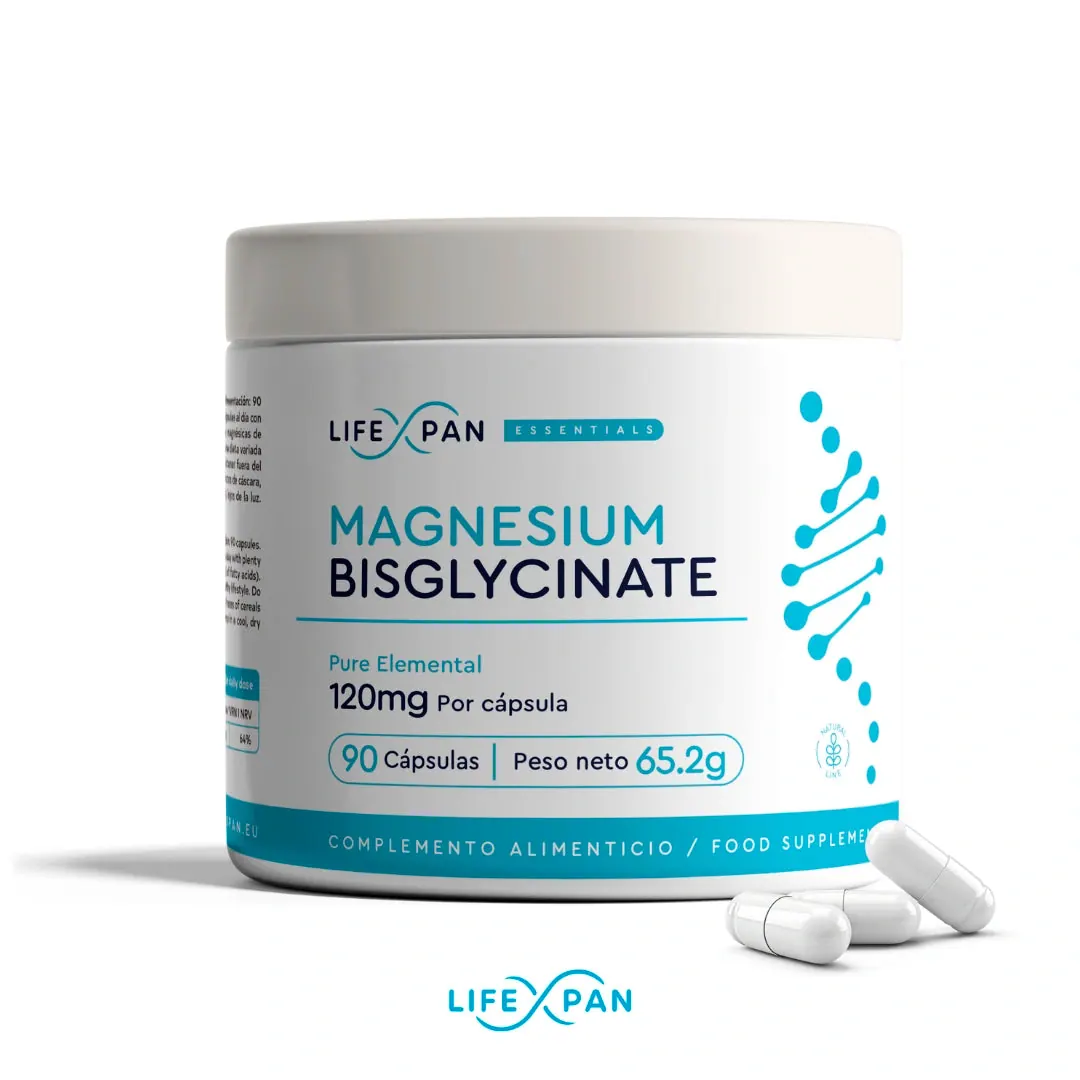
The magnesium bisglycinate we produce at Lifexpan is carefully formulated to provide an effective amount of magnesium without exceeding daily requirements, making it safe for ongoing support.
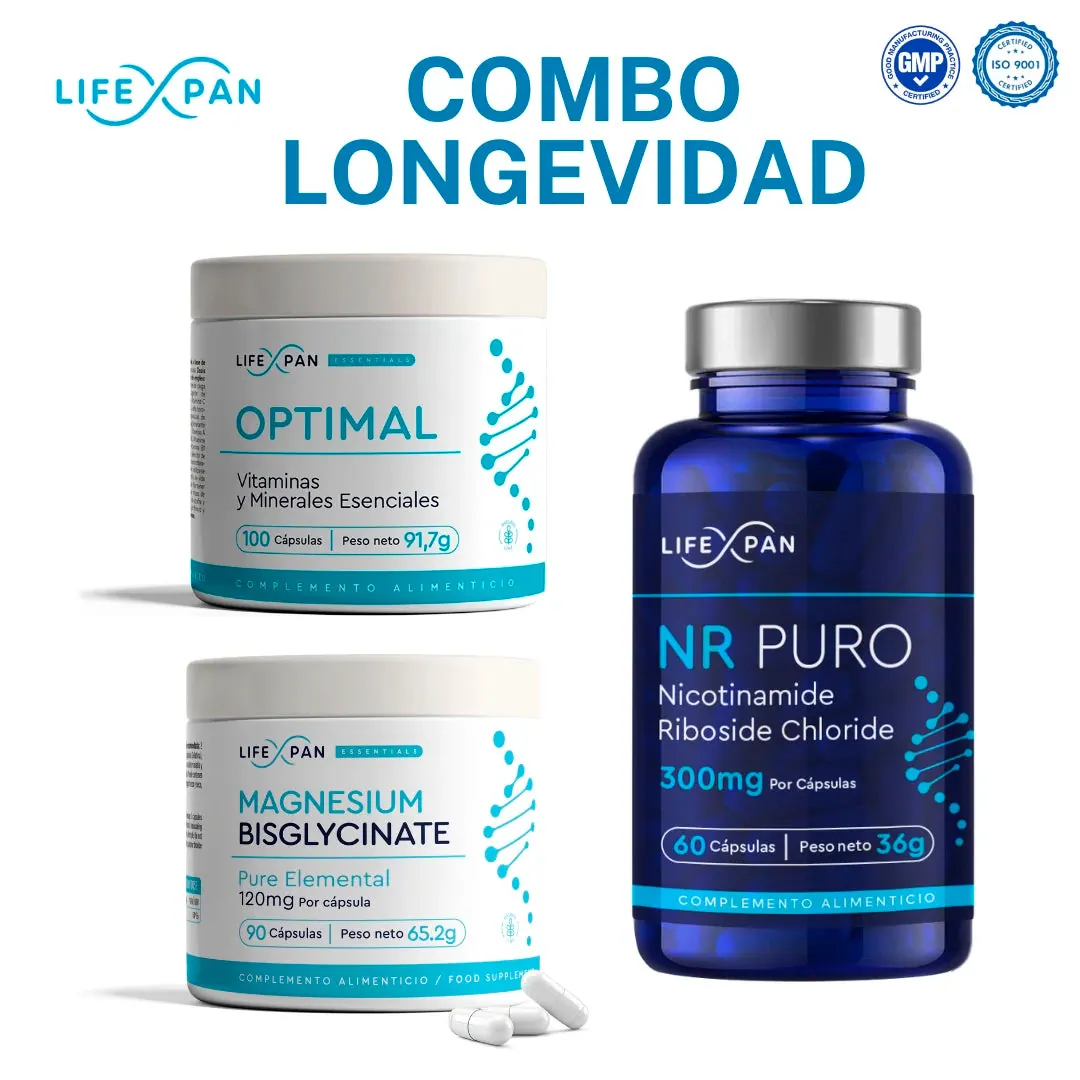
You'll also find it in our Longevity Combo
anxiety and stress magnesium benefits biodisponibilidad magnesium bisglycinate muscle cramps TRAACS certification Enzymatic cofactor elemental magnesium magnesium and longevity Sleep magnesium supplements