
 MXN
 Spain & Europe · EUR
 United States · USD
Chronic tendinopathy: how to support recovery with exercise and nutrition
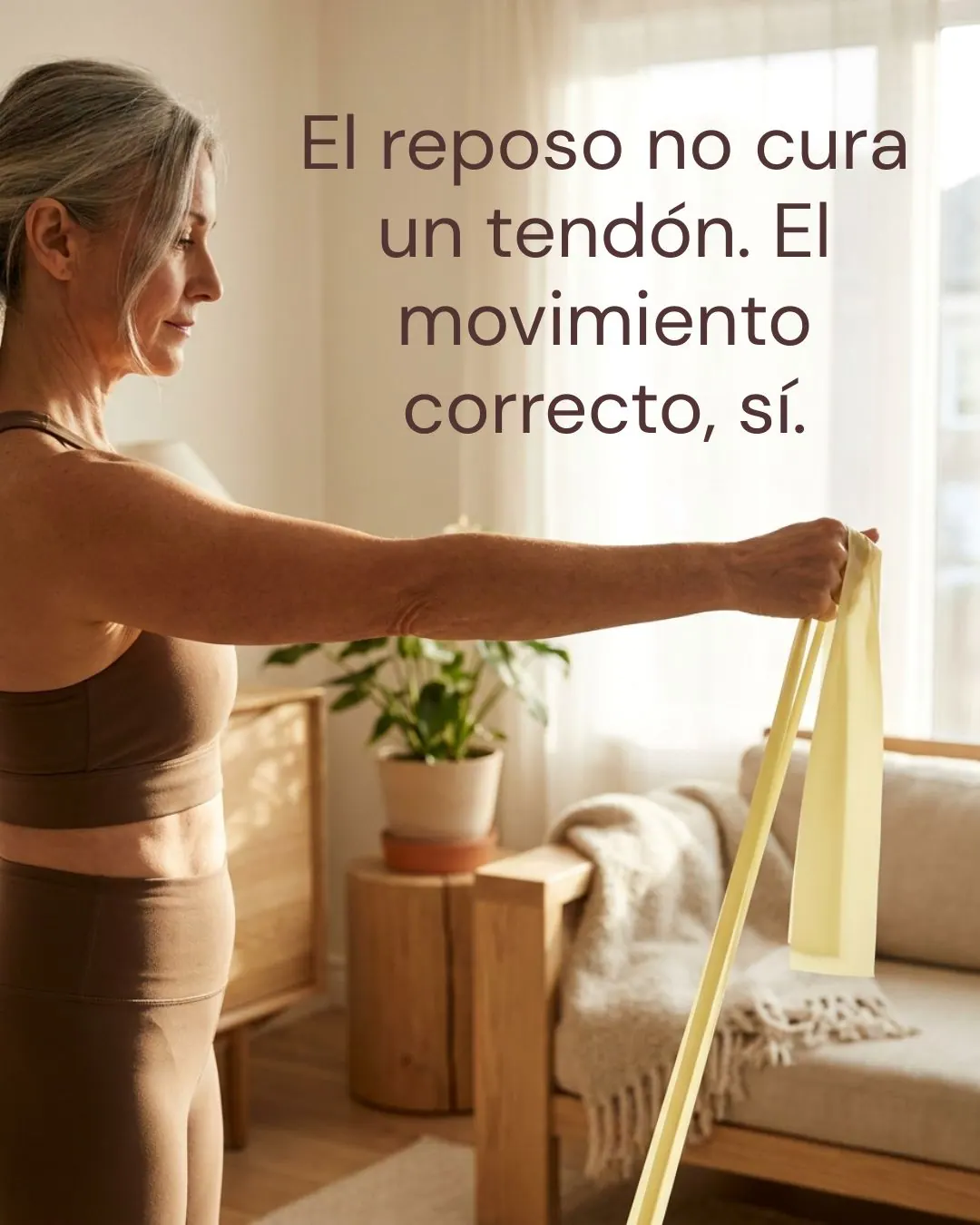
A tendinopathy that drags on for months is one of the most frustrating injuries there is. The pain comes and goes, mobility suffers, and the feeling that "it just won't heal" can chip away at your motivation. The shoulder is one of the most common sites, especially in people who repeat certain movements or who are past their 40s.
The good news is that science has made great strides in understanding how a tendon recovers. Two ideas have become well established: first, that complete rest is rarely the solution — the tendon needs progressive, well-dosed loading in order to regenerate. Second, that nutrition plays a more relevant supporting role than once thought, especially nutrients involved in collagen synthesis.
In this article we go over what the evidence says about both fronts — therapeutic exercise and nutritional support — always as general information that you should adapt with the help of a professional.
💪 Recovery & Movement · 8 min read · Informative content
What is tendinopathy and why does it become chronic
A tendon is the tissue that connects muscle to bone and transmits the force needed to move a joint. It's made up mostly of collagen — mainly type I — produced by cells called tenocytes.
When a tendon is subjected to more load than it can tolerate, or to a repetitive movement over a long period, tendinopathy develops: a condition that combines inflammation, oxidative stress and disorganised remodelling of the collagen matrix. If the process continues over time — we're talking months — it can progress to tendinosis, a degeneration of the tissue in which the collagen fibres become disorganised and the tendon loses quality and strength.
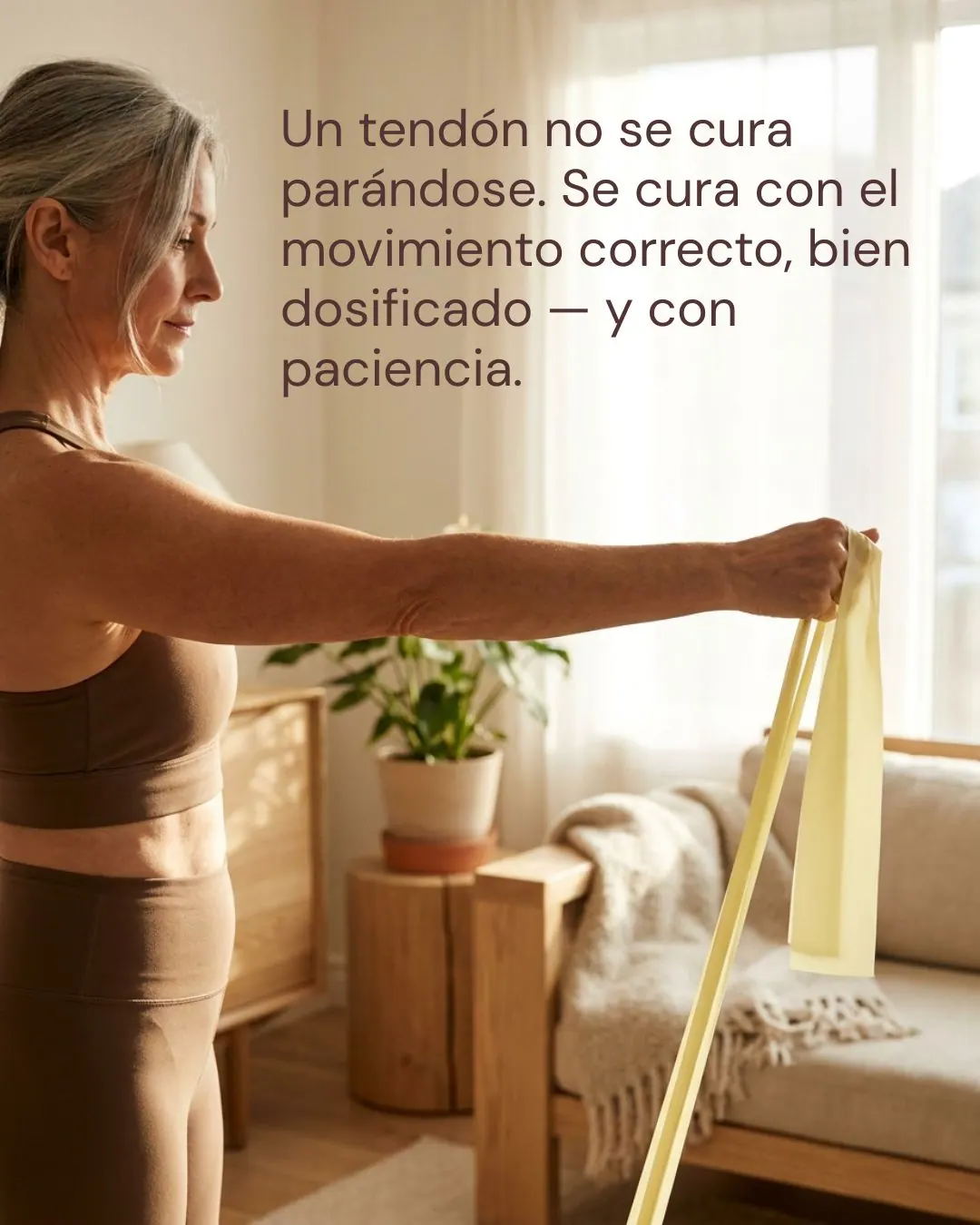
Understanding this is key, because it changes the approach: recovering a chronic tendon isn't about "waiting for the inflammation to go down", but about stimulating the tendon so it rebuilds and reorganises its collagen. And that's where exercise and nutrition come into play.
⚠️ The first step is always diagnosis
Before starting any routine or supplement, a professional needs to assess exactly what's going on. A tendinopathy is not the same as a tear, bursitis or impingement — and the treatment differs in each case. For a shoulder that's been painful for months, an ultrasound scan can clarify whether the tendon is degenerated but intact, or whether there's an injury requiring a different approach. This article cannot replace that assessment.
Therapeutic exercise: the cornerstone of recovery
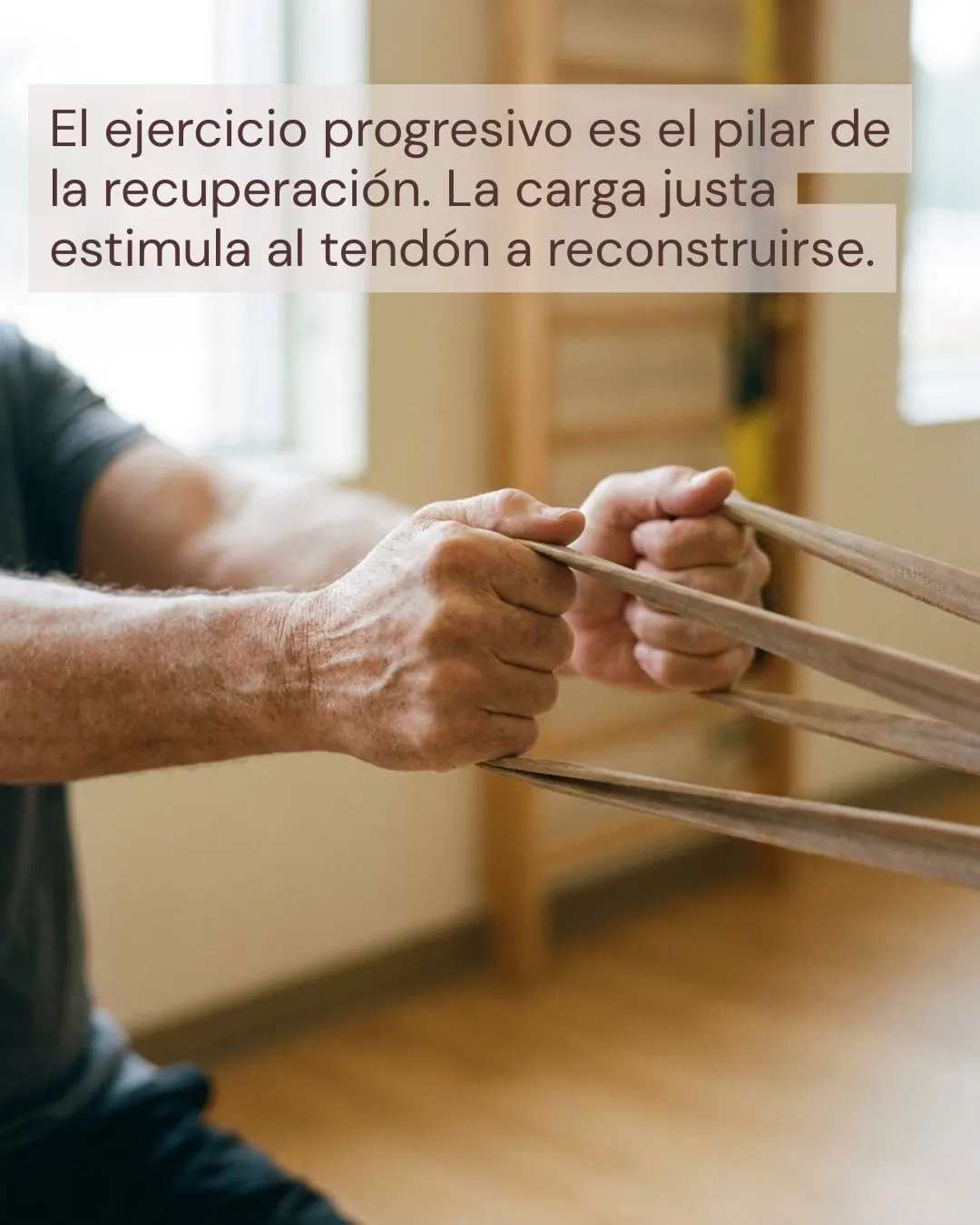
The evidence is consistent: progressive, well-structured exercise is the intervention with the strongest backing for tendinopathy. The idea is to apply a controlled load to the tendon that stimulates the tenocytes to reorganise collagen, starting very gently and increasing the demand as pain allows.
Below we describe, in a general and informative way, the type of exercises that are often part of shoulder rehabilitation programmes. This is not a personalised plan: the selection, sets and progression should be tailored to your specific case under the guidance of a physiotherapist. We've included reference video titles so you can see the correct execution — always look for professional sources and, if in doubt, ask your physio.
Initial phase: reducing pain and restoring mobility
Pendulum exercises (Codman's). Gentle swinging movements of the arm, using gravity, that help reduce stiffness and pain without loading the tendon. These are usually among the first exercises introduced.
Reference video: "Codman exercises" / "Pendulum exercises for shoulder pain and rehabilitation"
Isometric external rotation exercises. Muscle contractions without joint movement, which allow the tendon to be activated safely and often help modulate pain.
Reference video: "Isometric shoulder external rotation with resistance band"
Scapular retraction. An exercise aimed at improving the stability of the shoulder blade, a key element in healthy shoulder function.
Progression phase: building strength (when pain allows)
External rotation with resistance band. A progression from the isometric exercise, now involving movement and resistance, to start strengthening the tendon dynamically.
Band face pull. An exercise that works the posterior shoulder and scapular muscles, useful for balancing the joint.
Full rotator cuff work. Once the load is tolerated, comprehensive rotator cuff strengthening is usually the mid-term goal, typically about two or three times a week.
💡 In simple terms
The tendon heals by moving, not by resting — but with just the right load. Too little and there's no stimulus to regenerate; too much and it becomes more irritated. Finding that middle ground is precisely the job of a physiotherapist, and the reason a personalised plan always beats any generic routine found online.
Nutritional support: what the science says
Nutrition alone doesn't heal a tendon, but it can help create the conditions for the repair process — driven by exercise — to work better. These are the nutrients with the most support in the literature on tendon health. The amounts mentioned are typical ranges used in studies, for informational purposes only; the specific approach should be personalised by a professional.
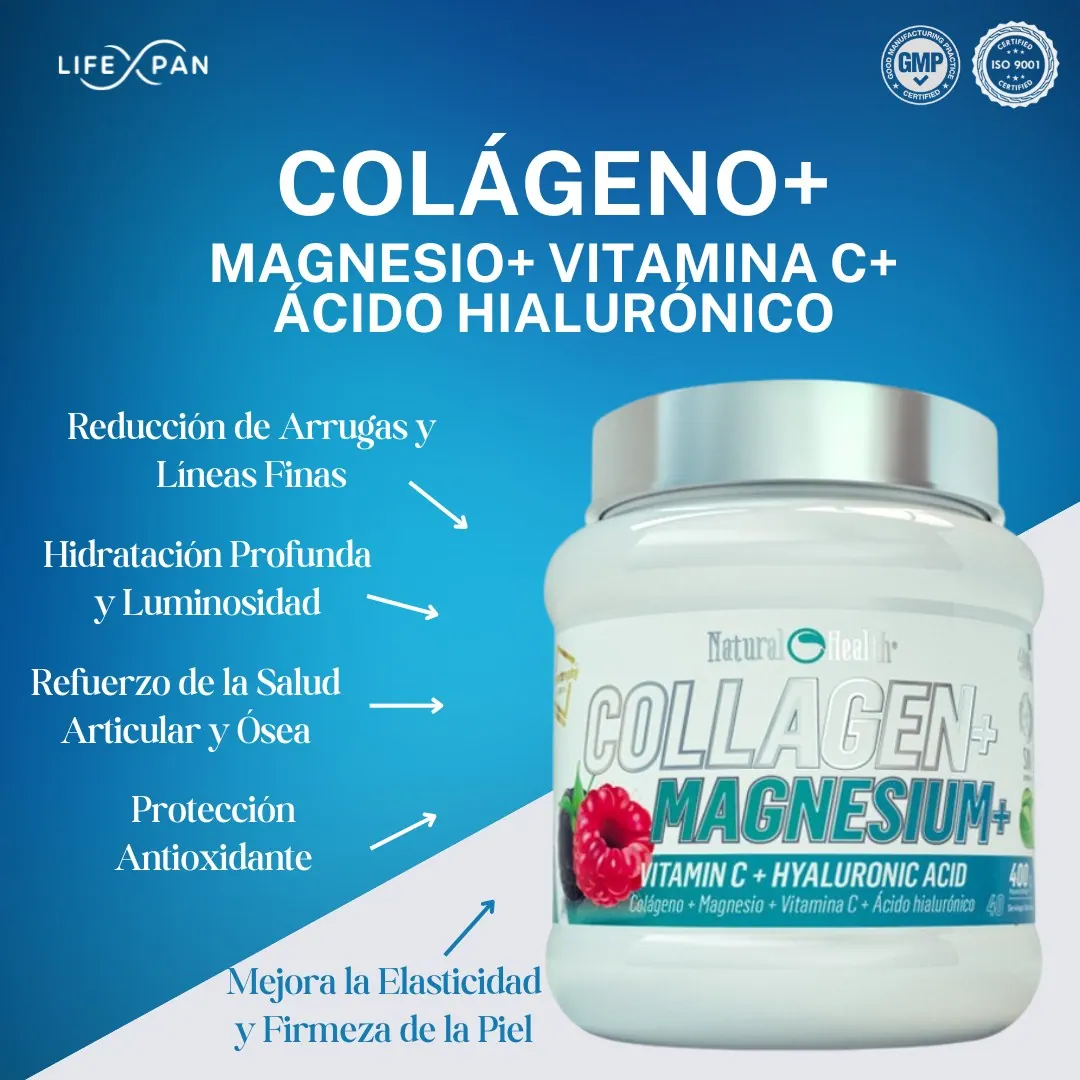
Hydrolysed collagen
This is the nutrient with the most interesting evidence. A 2025 systematic review found solid evidence that collagen peptide supplementation, combined with strength exercise, could increase tendon cross-sectional area and stiffness. The most relevant detail is the timing of intake: studies suggest that taking it 30 to 60 minutes before rehabilitation exercise could favour its uptake by the tissue, since exercise increases the flow of amino acids to the tendon. The studied ranges are usually around 10-15 g daily.
It's worth being honest about the nuance: the evidence on tendon structure is promising, but the clinical outcomes — pain, function — are more variable, and collagen acts as a support to exercise, never as a substitute.
Vitamin C
Vitamin C is an essential cofactor in collagen synthesis: without it, tenocytes cannot properly stabilise the collagen triple helix. A review on vitamin C and tendinopathy concluded that its supplementation, alone or combined with other compounds, could be useful as a support for recovery by favouring collagen synthesis and providing antioxidant action. It is often combined with collagen precisely for this synergy, in typical ranges of 500-1,000 mg daily.
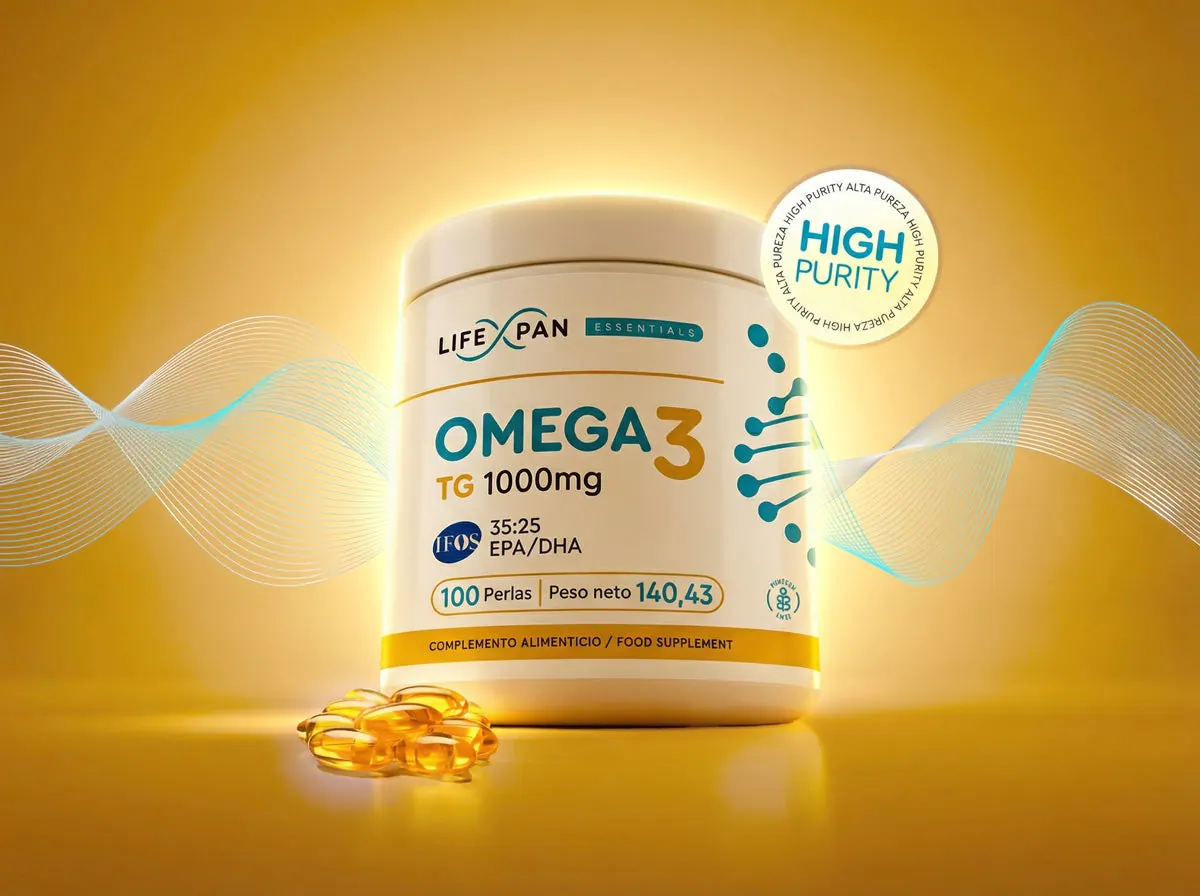
Omega 3 (EPA and DHA)
Omega 3 fatty acids are known for their role in regulating the inflammatory response. In the context of tendinopathy, where low-grade inflammation and oxidative stress are part of the problem, omega 3 could help modulate that environment. Studies usually work with doses of around 1-2 g daily of combined EPA+DHA.
Magnesium, NAC and NR: supporting the cellular environment
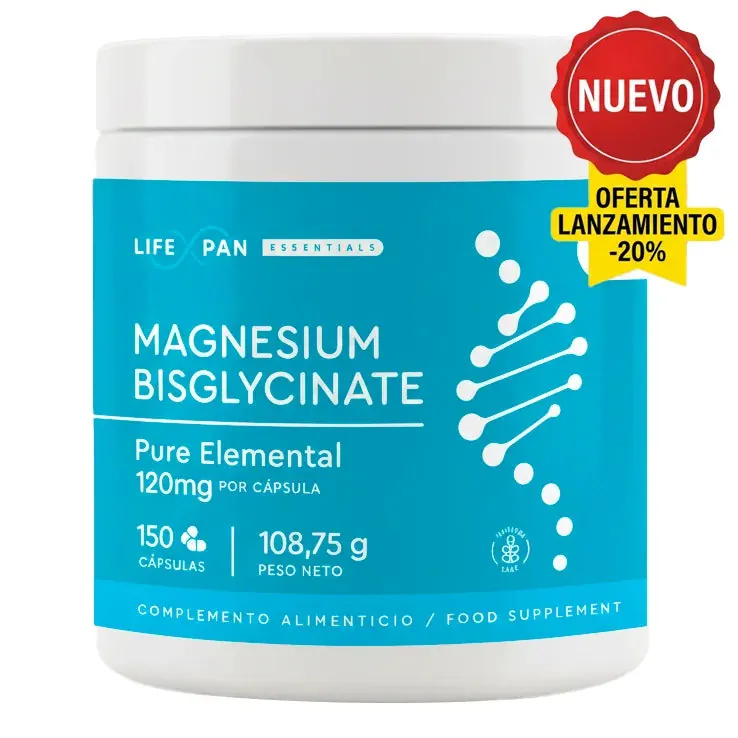
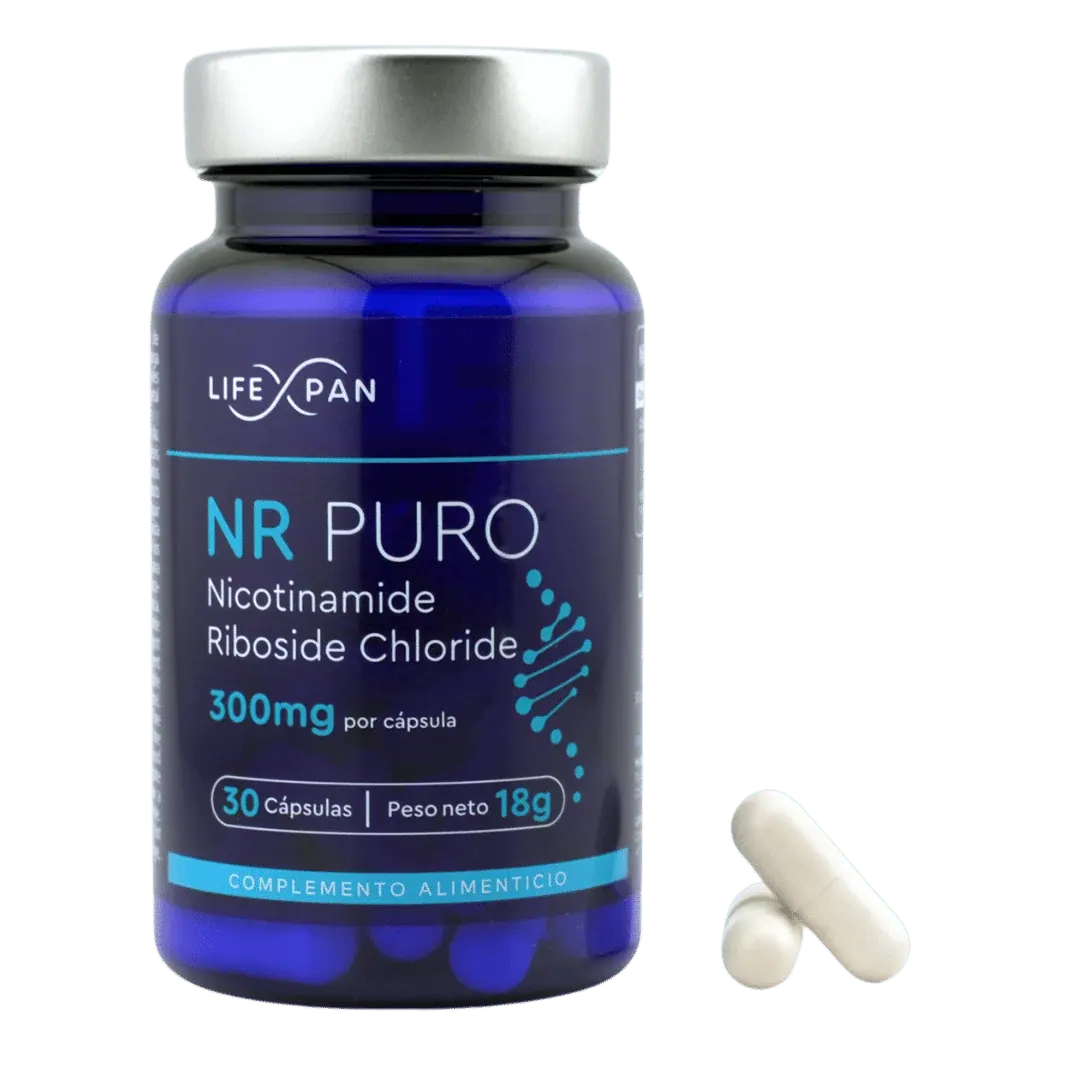
Other nutrients can contribute to the environment in which the tendon repairs itself. Magnesium plays a part in muscle function and hundreds of enzymatic reactions, and is usually taken at night. NAC, a precursor to glutathione, provides antioxidant support. And NR, a precursor to NAD+, is involved in cellular energy metabolism. Their role here is general support for the body during a recovery process, not a specific effect on the tendon demonstrated on a large scale.
⚠️ About doses and combining supplements
The ranges mentioned in this article come from studies and are cited for informational purposes only. They do not constitute a personalised regimen. Combining several supplements, possible interactions with medication, and suitability according to your health status are matters that should be assessed by a doctor or pharmacist. Omega 3 and other supplements require supervision, especially if you take blood thinners.
A sensible roadmap for chronic tendinopathy
If we had to sum up the approach that the evidence supports for a tendon that's been causing trouble for months, it would go something like this:
First, diagnosis. See a professional and, if they consider it appropriate, get an imaging test. Knowing exactly what you're dealing with is what determines everything else.
Second, guided exercise. A progressive rehabilitation programme, ideally supervised by a physiotherapist, carried out consistently. It's the engine of recovery.
Third, nutritional support. Within that framework, nutrients involved in collagen synthesis and inflammation regulation can support the process.
Fourth, patience and consistency. A chronic tendon doesn't recover in weeks. Collagen remodelling processes take months. Regularity matters more than intensity.
Fifth, reassess. If there's no improvement after a reasonable period, go back to the professional. In some cases of a degenerated but not torn tendon, the sports medicine doctor may consider other options. That decision is strictly a medical one.
✨ The bottom line
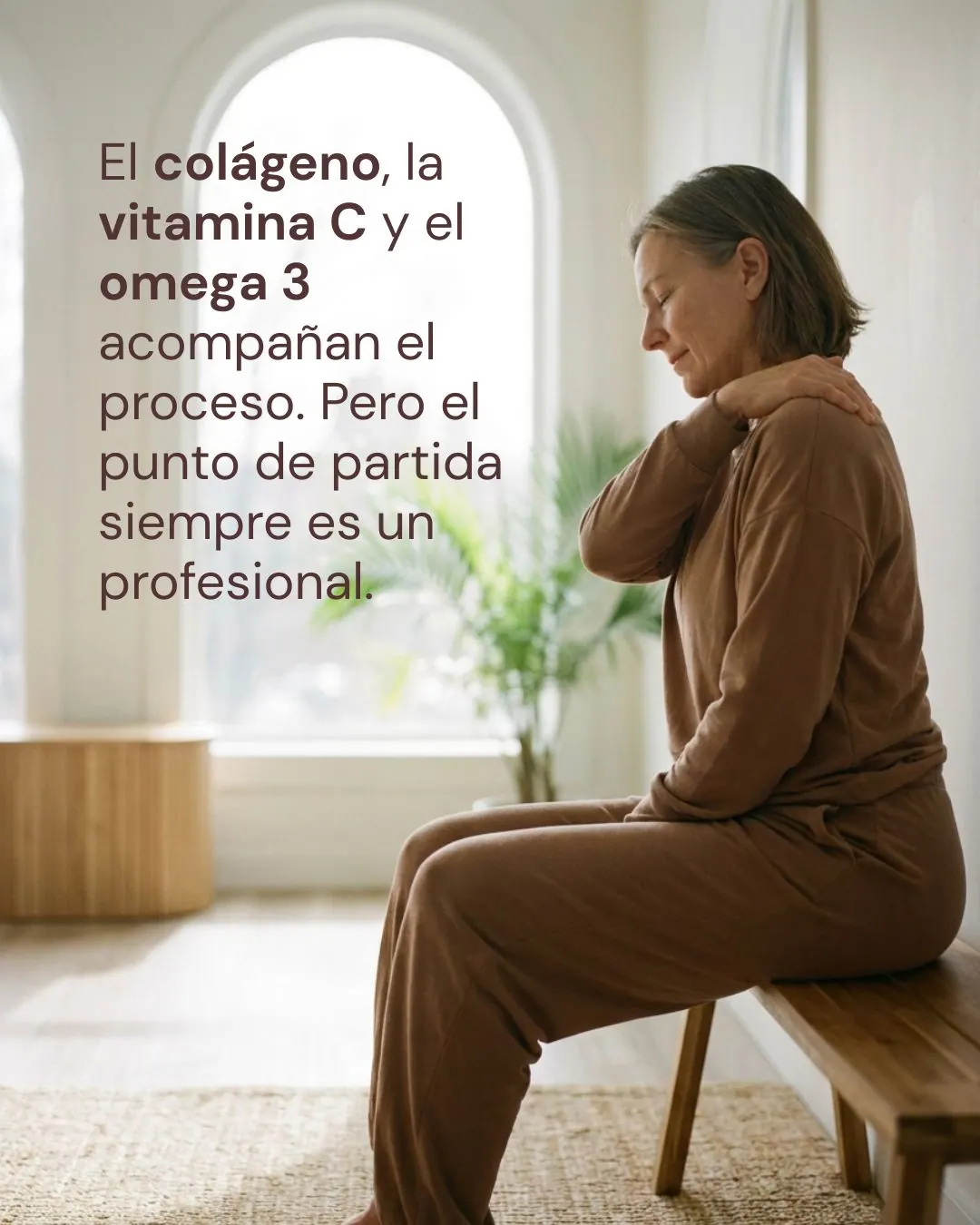
Tendon recovery is a team effort between the right stimulus — exercise — and the right conditions — nutrition, rest and time. No supplement replaces well-guided movement, and no exercise makes up for the wrong diagnosis. That's why the healthcare professional is always the starting point.
Conclusion
A chronic tendinopathy tests your patience, but understanding how a tendon actually recovers changes the way you approach it. Progressive exercise is the cornerstone; nutrition is a support with growing scientific backing; and professional assessment is the non-negotiable starting point.
At LifeXpan, we work with nutrients involved in these processes — collagen, vitamin C, omega 3, magnesium — in the belief that their place is within a comprehensive plan, alongside physiotherapy work and medical guidance, never in their place.
💪 LifeXpan® supporting nutrients
Ultra Pure Omega 3, Magnesium Bisglycinate, NAC and Pure NR — nutrients involved in inflammation regulation, antioxidant support and cellular metabolism. As a complement to a recovery plan supervised by a professional.
🔩 Hydrolysed collagen
🐟 Ultra Pure Omega 3 ·
🔩 Magnesium Bisglycinate ·
🛡️ NAC · ⚡ Pure NR
Important notice: This article is intended solely for informational and educational purposes. It does not constitute medical advice and does not replace assessment by a healthcare professional. If you have a tendinopathy or any persistent pain, consult a doctor or physiotherapist before starting any exercise or supplementation routine. Each case is different, and only an individual assessment — ideally including an imaging test such as an ultrasound — can determine what's right for you.
Scientific references
Buell, J.L. et al. (2025). Collagen Supplementation on Tendon-Related Structural and Performance Outcomes: A Systematic Review. Journal of Functional Morphology and Kinesiology, 11(1), 130.
Bischof, K. et al. (2024). Impact of Collagen Peptide Supplementation in Combination with Long-Term Physical Training. Sports Medicine, 54(11), 2865–2888.
Marzagalli, P. et al. (2024). Anti-Inflammatory and Antioxidant Properties of a Mixture of Vitamin C, Collagen Peptides, Resveratrol and Astaxanthin in Tenocytes. Mediators of Inflammation, 2024, 5273198.
Review on vitamin C and tendinopathy recovery (2022). Nutrients / PMC9267994.
Praet, S.F.E. et al. (2019). Oral Supplementation of Specific Collagen Peptides Combined with Calf-Strengthening Exercises Enhances Function in Achilles Tendinopathy. Nutrients.
This content does not replace consultation with a healthcare professional. If you have any persistent pain, see your doctor or physiotherapist.
progressive tendon loading collagen before or after exercise for tendons collagen for tendinitis how to recover from chronic shoulder tendinitis how long does tendinopathy take to heal eccentric isometric exercise rotator cuff exercises at home shoulder rehabilitation exercises shoulder physiotherapy supraspinatus rotator cuff omega 3 tendon inflammation what to take to regenerate tendons chronic tendinopathy recovery tendinopathy supplements tendinosis tendon degeneration tenocytes extracellular matrix vitamin C tendon collagen synthesis