
 MXN
 Spain & Europe · EUR
 United States · USD
Are vitamins A, C, D and E really essential to consume?
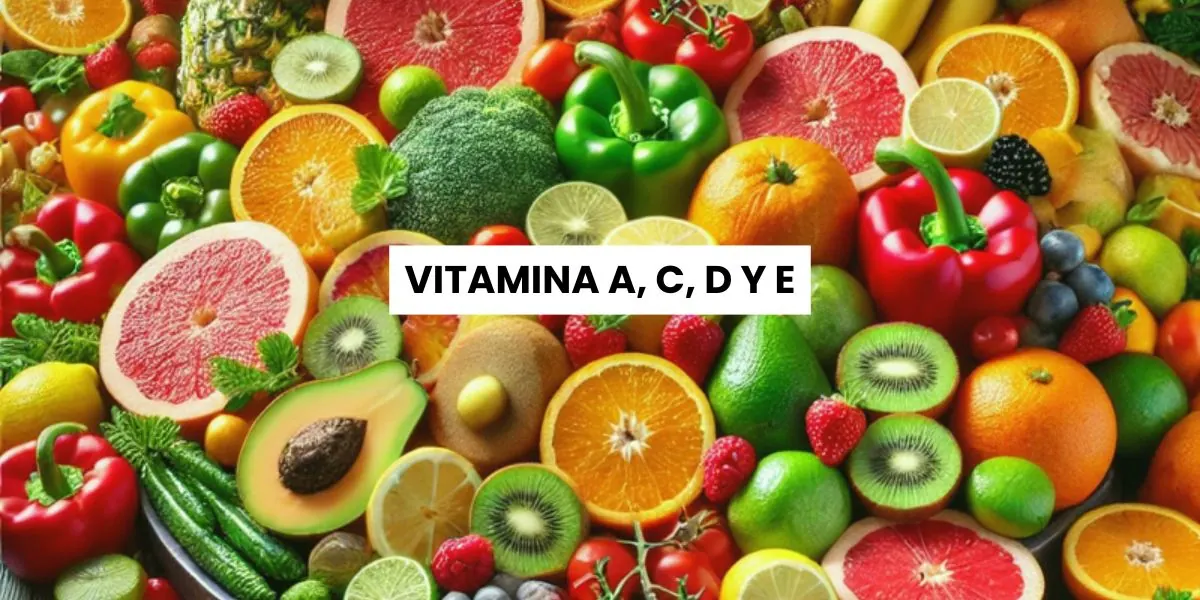
The short answer is yes. Vitamins A, C, D and E are all essential to consume. Let me explain where you can find them.
Perhaps the most talked-about of the list lately is vitamin C, which has been quite a buzzword on social media.
It's a vitamin that doesn't stay in the body for long, so it needs to be consumed regularly throughout the day, several times over. And that's because we're talking about a powerful antioxidant that strengthens the immune system and helps repair tissue.
Key functions:
- Neutralising free radicals that damage cells.
- Producing collagen, essential for skin, blood vessels and bones.
- Improving the absorption of plant-based iron.
But let me tell you what happens if we don't get enough of it:
What happens if you're deficient in...?
Vitamin A deficiency:
Vision problems, reduced immunity and dry skin.
Vitamin C deficiency:
Scurvy, bleeding gums, fatigue and poor wound healing.
Vitamin D deficiency:
Osteoporosis, muscle weakness and a higher risk of infections.
Vitamin E deficiency:
Cell damage, muscle weakness and neurological problems.
Where can we find them?
Let me show you
Vitamin A
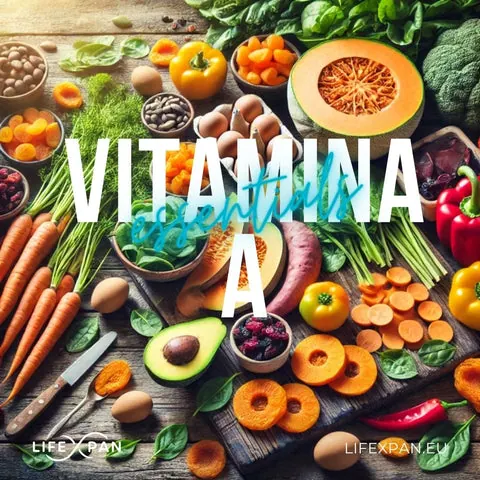
Vitamin A is crucial for eye health, as it helps maintain normal vision and prevents issues like night blindness. It also strengthens the immune system by supporting the body's natural defences against infection, and promotes cell development and repair, essential for skin and tissue. A deficiency can cause dry eyes, frequent infections and growth problems. Natural sources include carrots, spinach, sweet potatoes and dairy products.
Why is it essential?
• It contributes to eye health, the immune system and cell growth.
Key functions:
• Preventing vision problems such as night blindness.
• Supporting the immune system against infections.
• Promoting cell development and tissue repair.
Food sources:
• Carrots, sweet potatoes, spinach, liver and dairy products.
Vitamin C (Ascorbic Acid)
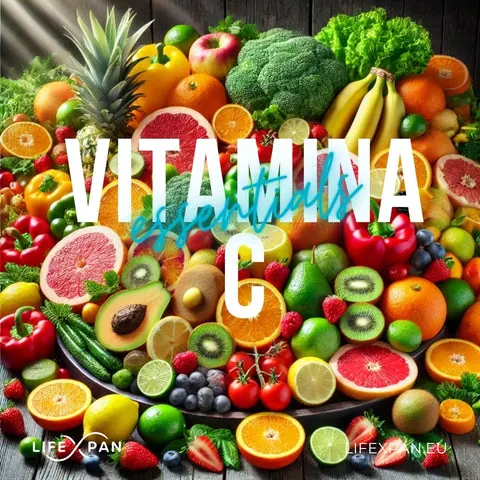
Vitamin C is a powerful antioxidant that protects cells from damage caused by free radicals. It's essential for collagen production, which keeps skin, blood vessels and bones healthy. It also improves the absorption of plant-based iron and strengthens the immune system. A deficiency can lead to scurvy, characterised by bleeding gums, fatigue and poor wound healing. It's found in citrus fruits, strawberries, kiwi, peppers and broccoli.
Why is it essential?
• It's a powerful antioxidant that strengthens the immune system and helps repair tissue.
Key functions:
• Neutralising free radicals that damage cells.
• Producing collagen, essential for skin, blood vessels and bones.
• Improving the absorption of plant-based iron.
Food sources:
• Oranges, strawberries, kiwi, red peppers and broccoli.
Vitamin D
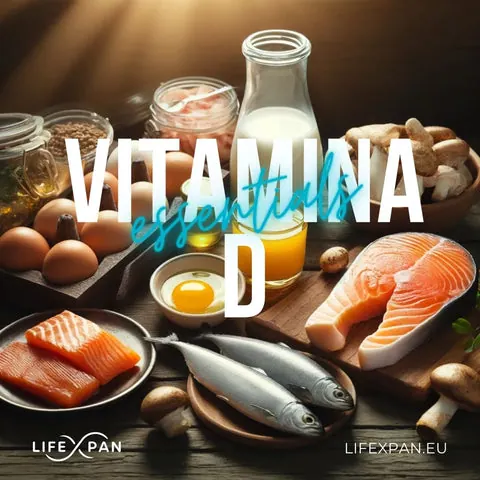
Vitamin D is essential for calcium and phosphorus absorption, promoting strong bones and teeth. It also plays an important role in regulating the immune system and muscle function. A deficiency can cause muscle weakness, osteoporosis and greater susceptibility to infections. The body can produce it through sun exposure, but it's also found in oily fish, egg yolk and fortified foods.
Why is it essential?
• It's fundamental for bone health and the immune system.
Key functions:
• Supports the absorption of calcium and phosphorus in bones.
• Helps prevent conditions such as osteoporosis and rickets.
• Regulates the immune system, reducing the risk of infections.
Food sources:
• Oily fish (salmon, mackerel), egg yolk, fortified products and sun exposure.
Vitamin E
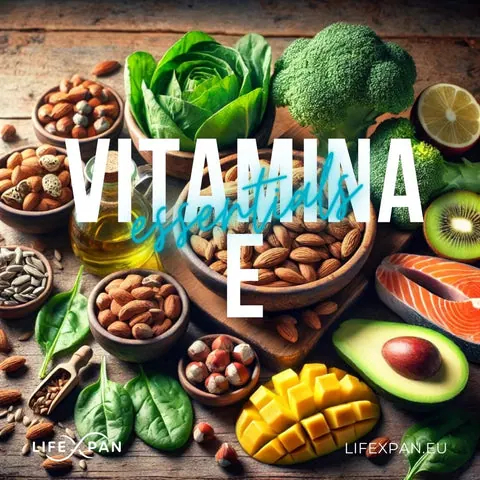
Vitamin E is a fat-soluble antioxidant that protects cells from oxidative damage and helps maintain healthy skin and hair. It also supports immune function and improves blood circulation by helping to prevent clot formation. Deficiency is rare, but can cause muscle weakness, vision problems and neurological damage. Rich sources include almonds, hazelnuts, sunflower seeds, olive oil and avocado.
Why is it essential?
• It acts as an antioxidant, protecting cells from oxidative damage.
Key functions:
• Helps prevent premature cell ageing.
• Improves skin and hair health.
• Supports immune and cardiovascular function.
Food sources:
• Almonds, hazelnuts, sunflower seeds, olive oil and avocado.
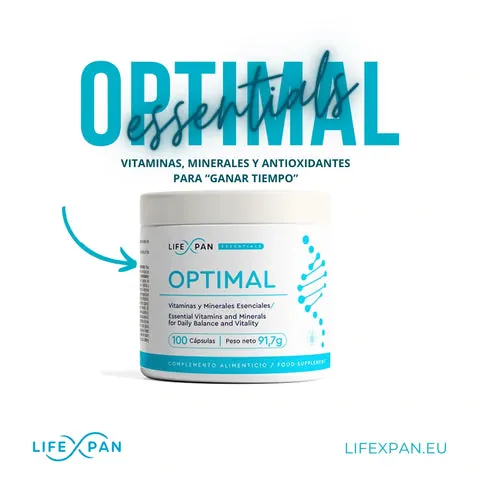
And if you want them all at once, and to make sure you're getting your recommended daily dose, try the new LifeXpan Essential Optimal
antioxidantes the sun vitamin c vitamin d vitamin e