
 MXN
 Spain & Europe · EUR
 United States · USD
The Code of Life Edited "to Order": The Case of KJ Muldoon and the Revolution in Personalised Medicine
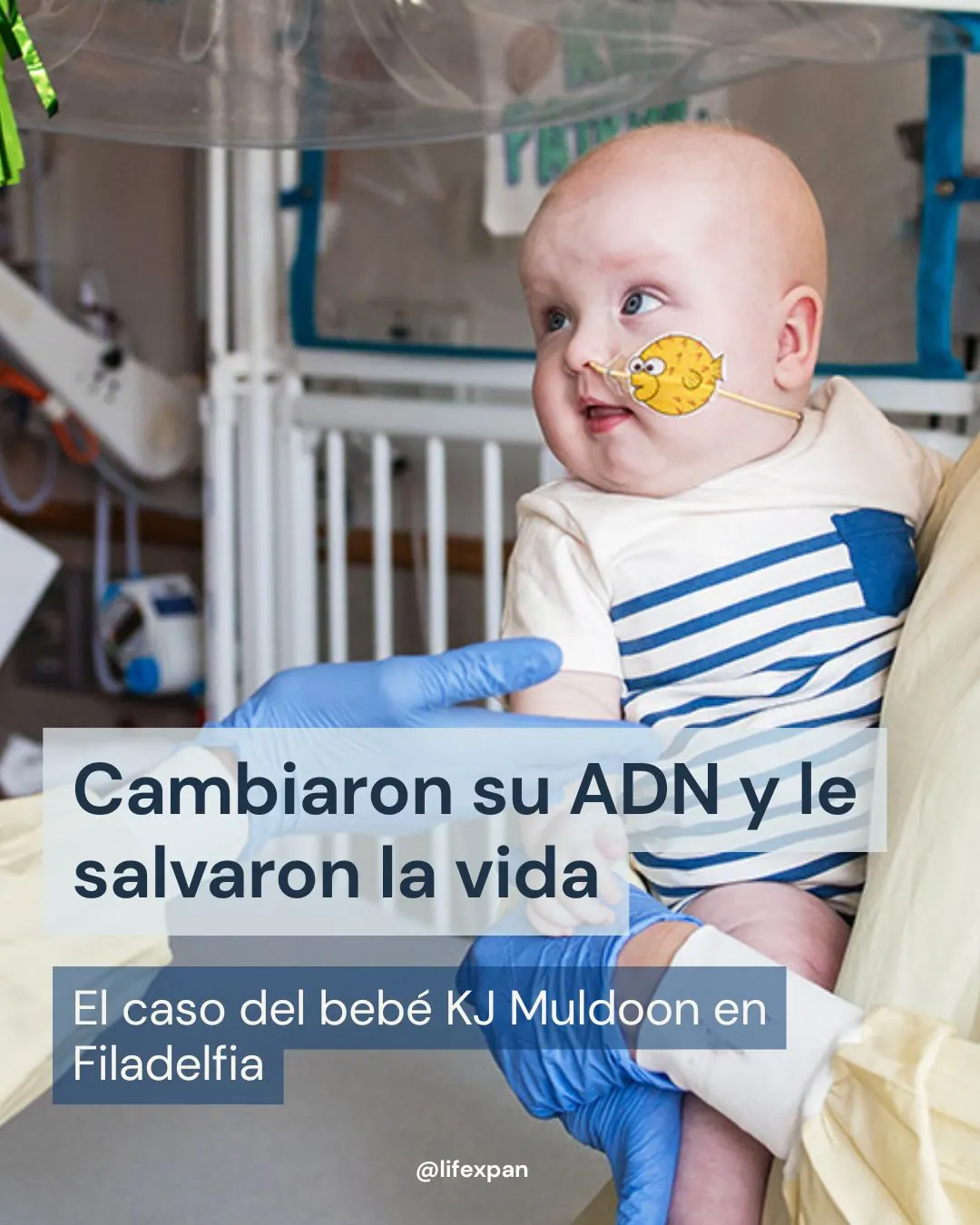
For decades, receiving a diagnosis of a rare genetic disease was, for many families, a final sentence. Their children's biological "instruction book" contained a typo that medicine had no way of correcting. Yet between 2025 and 2026, the paradigm has shifted dramatically. What was once science fiction is now a clinical reality: the ability to rewrite faulty genes in a way that is personalised, fast and safe.
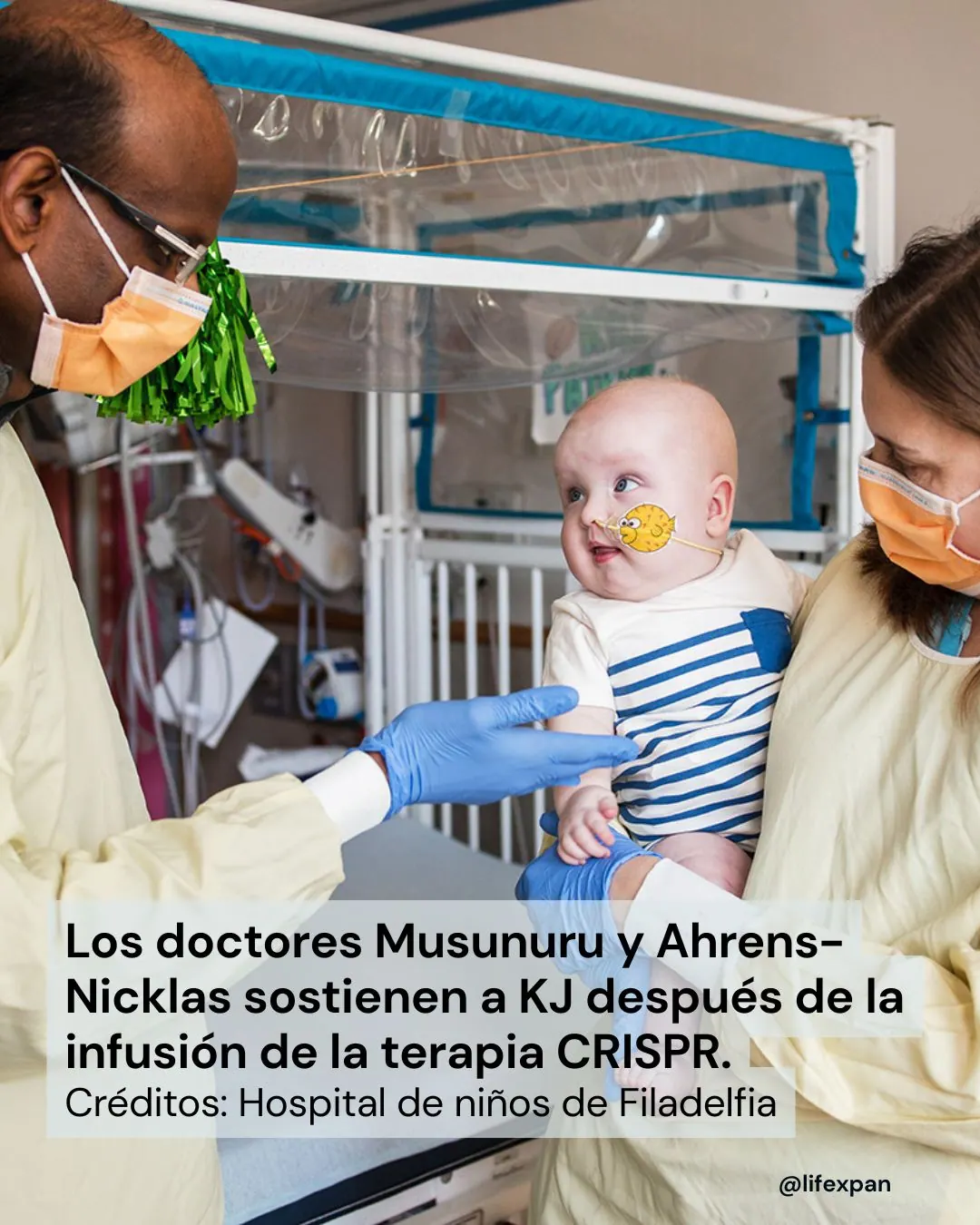
The case of KJ Muldoon, an infant treated with a gene-editing therapy designed exclusively for him in just six months, marks a milestone that redefines what is possible within the global healthcare system.
The Challenge: A Lethal Metabolic Error
KJ's story begins with a condition called carbamoyl phosphate synthetase 1 (CPS1) deficiency. To understand it, picture the liver as a chemical recycling plant. One of its most critical jobs is converting ammonia (a toxic waste product created when we eat protein) into urea, which is then removed through urine.
In KJ's case, the enzyme responsible for kick-starting this process (CPS1) wasn't working, due to two specific errors in his DNA. As a result, within 48 hours of being born, his blood ammonia levels were 50 times higher than normal. This build-up is extremely dangerous: it attacks the brain directly, causing irreversible damage or death within days if left untreated.
Until now, doctors could only offer stopgap solutions: protein-free diets, drugs to divert the toxin, or, at best, a high-risk liver transplant. None of these options solved the root problem: the error within the genetic code itself.
The Tool: The "Chemical Pencil" (Base Editing)
To save KJ, scientists didn't use the traditional "scissors" of CRISPR (which cut DNA), but a far more precise second-generation technology known as Base Editing.
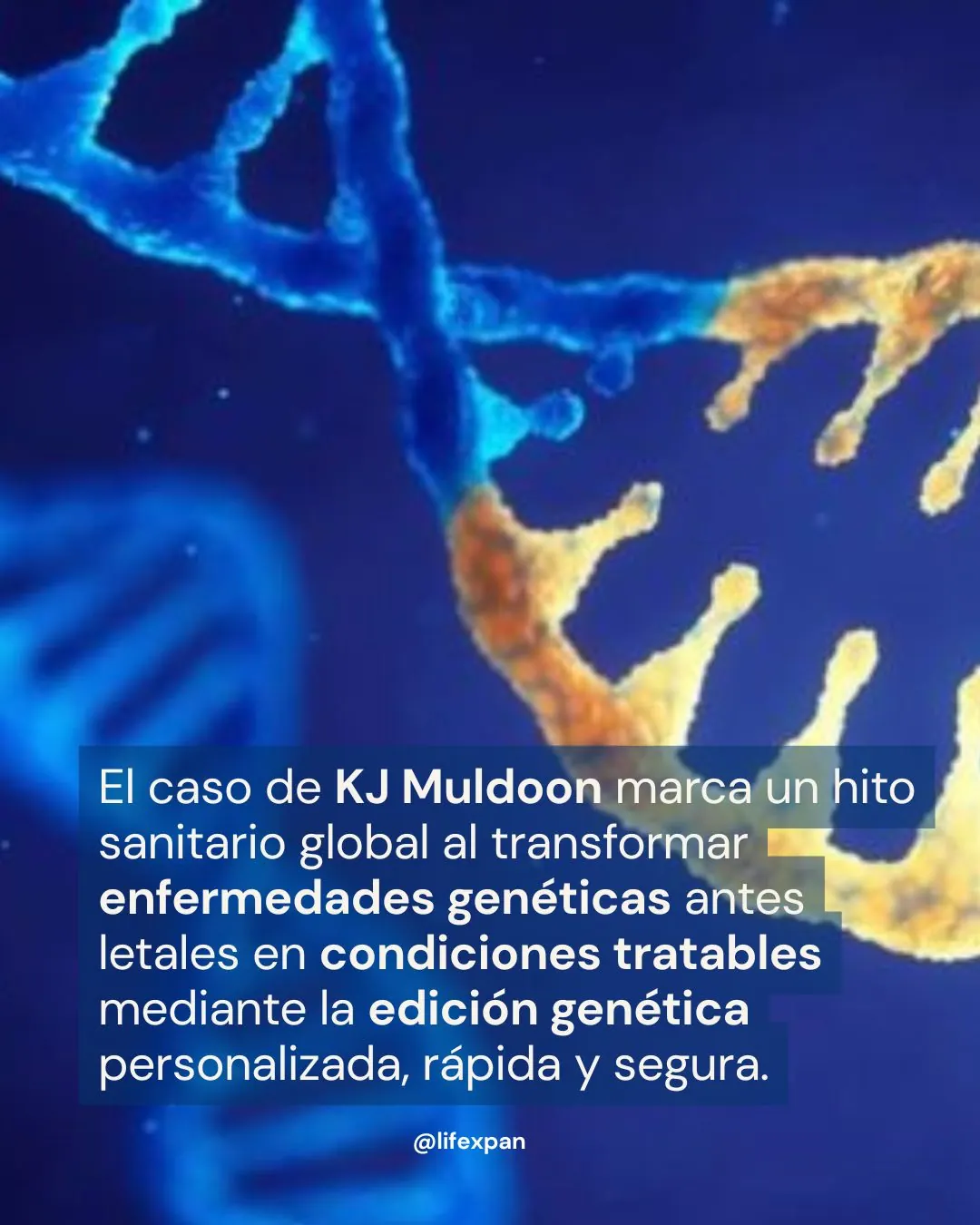
If DNA is a text made up of four letters (A, C, G and T), KJ had a "C" where there should have been a "T". The Base Editor works like a pencil and an eraser: it locates the faulty letter and, through a chemical reaction, converts it into the correct one, without needing to cut the DNA strand at all. This is essential for safety, as it avoids accidental breaks that could cause other genetic problems.
A Logistical Milestone: From Sequencing to Cure in 180 Days
What's most astonishing about the Muldoon case isn't just the technology, but the speed. Developing a conventional drug usually takes a decade. Here, the multidisciplinary team achieved the entire cycle in just six months:
- September 2024: The exact mutation is identified through rapid sequencing.
- October–December 2024: The personalised editor is designed and tested in animal models and human cells to confirm it works.
- January–February 2025: The drug is manufactured under strict quality controls.
- 25 February 2025: KJ receives his first dose.
This "sprint" was made possible by an unprecedented collaboration between universities, hospitals and biotech companies, all working in parallel to bypass bureaucratic bottlenecks without compromising safety.
Results: A Life Transformed
Today, in 2026, the results are unequivocal. KJ Muldoon is no longer a critically ill patient. Reports show he's reaching the normal developmental milestones for a child his age: he walks, plays and throws a ball.
Most importantly, he shows real resilience. Previously, a simple cold could send his ammonia levels soaring and put him into a coma. Recently, he's fought off common viral infections without any dangerous spikes in his chemical levels. His once-lethal condition has become a manageable one.
The Situation in Spain: The "Únicas" Network and Sant Joan de Déu Hospital
Spain hasn't been left behind in this revolution. Through the "Únicas" Network, an alliance of 30 hospitals led by Sant Joan de Déu Hospital (HSJD) in Barcelona, a similar model is being rolled out so that a child's postcode no longer determines whether they survive.
Dani's Case
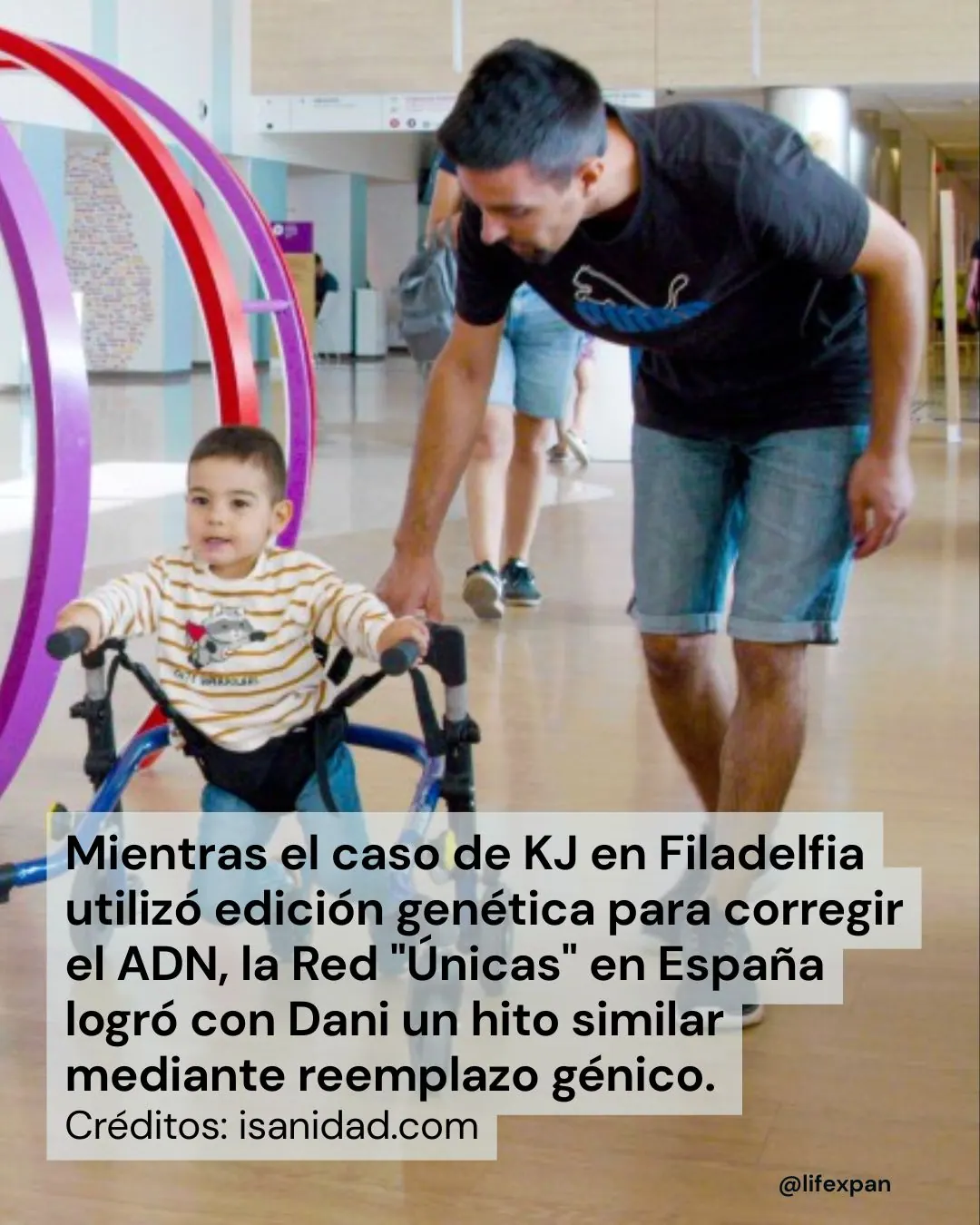
While KJ was being treated in Philadelphia, in Barcelona doctors were caring for Dani, a boy with a neurodegenerative disease called SPG50. In September 2025, Dani received an experimental gene therapy at Sant Joan de Déu. Although the technique was different (a healthy copy of the gene was added using a harmless virus), the goal was the same: to halt a disease that would have left him unable to walk or speak.
To support these advances, the new Únicas SJD building is opening in Barcelona in 2026. Spanning 14,000 square metres, this centre will house laboratories capable of manufacturing these "bespoke therapies" on-site, cutting down on both time and cost.
The Future: Genetic Hardware and Software?
The big challenge now is cost and scale. These therapies cost millions of euros per patient. To tackle this, experts are proposing a shift in mindset: treating gene therapy like a computer system.
- Hardware (Fixed): The delivery system (nanoparticles) and the editing machinery. Once proven safe, these shouldn't need to be re-evaluated from scratch for every child.
- Software (Variable): The small guide sequence that tells the drug where to act.
If we manage to standardise the "hardware", we'd only need to change the "software" (the sequence of letters) for each patient, allowing treatment for rare diseases to move from being an extraordinary event to a standard procedure.
Conclusion
Medicine in 2026 is no longer content with just easing symptoms; it now aims to correct the underlying errors. The story of KJ Muldoon and children like Dani in Spain shows that we're learning to edit the book of life to remove the typos that cause suffering.
The challenge for the coming years will be ensuring this technology is accessible to public health systems everywhere, so that every child, no matter how rare their mutation, has the right to a personalised cure. The era of precision medicine is here to stay.
Sources used
First patient treated with personalised CRISPR therapy, developed in just six months
Dani, the first three-year-old in the world to receive gene therapy to fight an ultra-rare disease
AEMPS Guide RNA (gRNA) Bespoke therapeutics Urea cycle CRISPR CPS1 deficiency Base Editing Rare diseases Genomic scalability Hospital exemption Hyperammonaemia Hospital Sant Joan de Déu (HSJD) Lipid nanoparticles (LNP) Red Únicas Biological resilience Genetic revolution Genomic sequencing In vivo gene therapy